What It’s Like To Live In Orleans Year-Round
February 5, 2026
February 5, 2026
Wondering what Orleans feels like after the summer crowds go home? If you are weighing a move, considering a long-term rental, or thinking about making a second home your primary residence, you want a clear picture of daily life beyond beach season. In this guide, you will learn how the town’s rhythm shifts with the seasons, what services operate year-round, and the practical details that matter for housing, costs, and coastal living. Let’s dive in.
Summer brings a surge of visitors and seasonal residents to Orleans, which changes traffic patterns, business hours, and how busy beaches and trails feel. In winter, you will find quieter streets, easier parking, and a more relaxed pace. Many restaurants and shops reduce hours or close in the off season, while essentials like grocery stores, pharmacies, town offices, and the post office stay open year-round. The civic backbone of Orleans shines in the quieter months, with local boards, cultural groups, and volunteers keeping community life active.
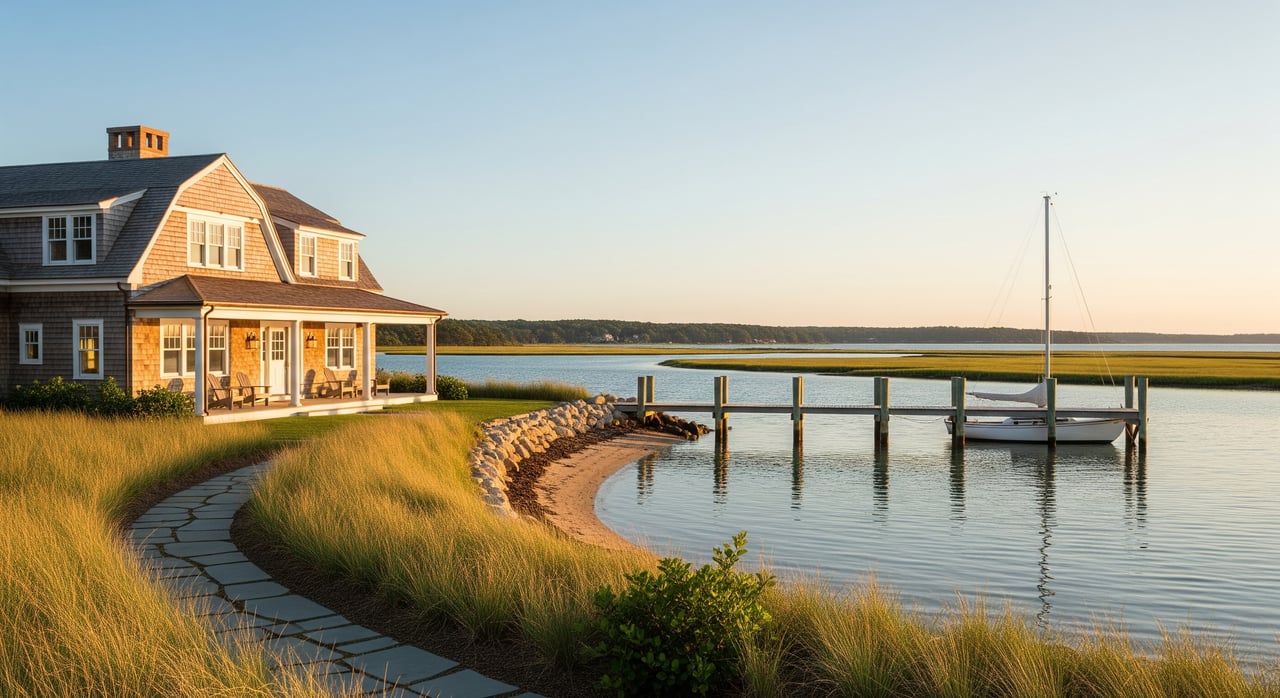
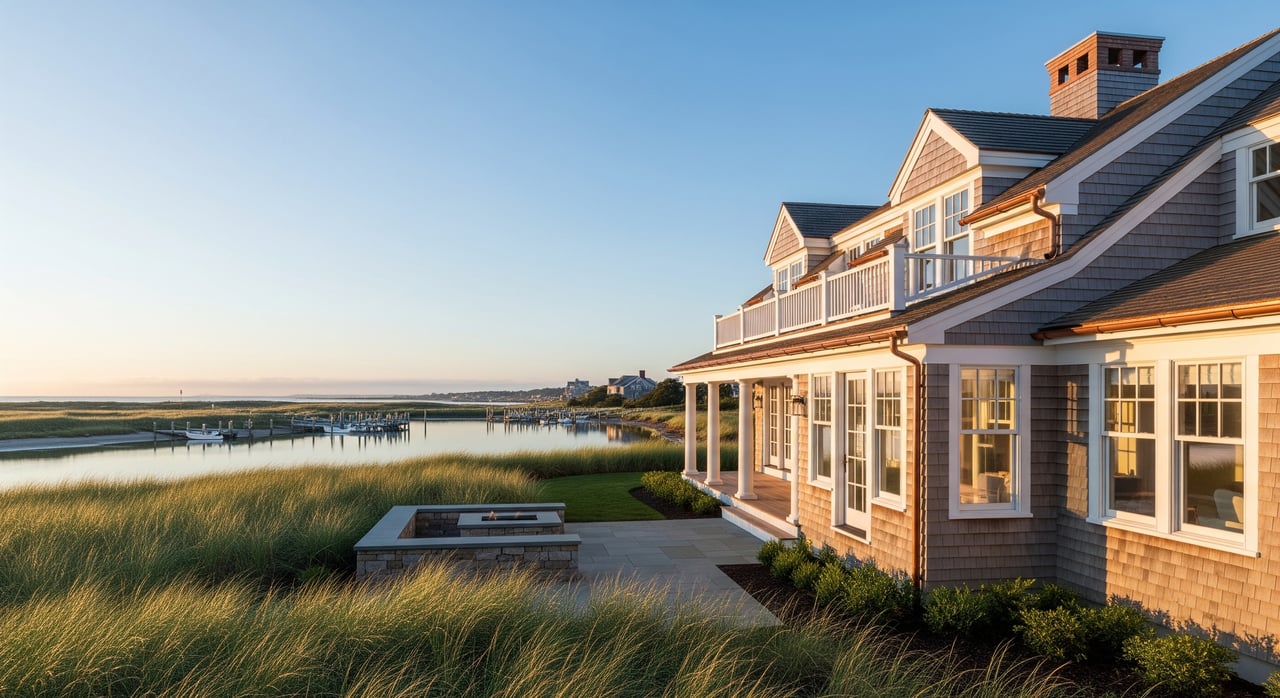
Orleans has highly sought-after homes along the bay, harbor, and Atlantic-facing shoreline. These locations offer water access and views, and they often carry a premium price. Coastal properties also come with practical considerations like flood zones, storm exposure, and erosion risk. Expect to review flood maps, elevation, and insurance requirements before you buy.
The village center places you near small businesses, dining, and everyday services. It is a smart choice if you want year-round convenience and an easy drive to the harbor. Homes close to town are popular for both full-time residents and second-home owners who prefer less driving for errands during the off season.
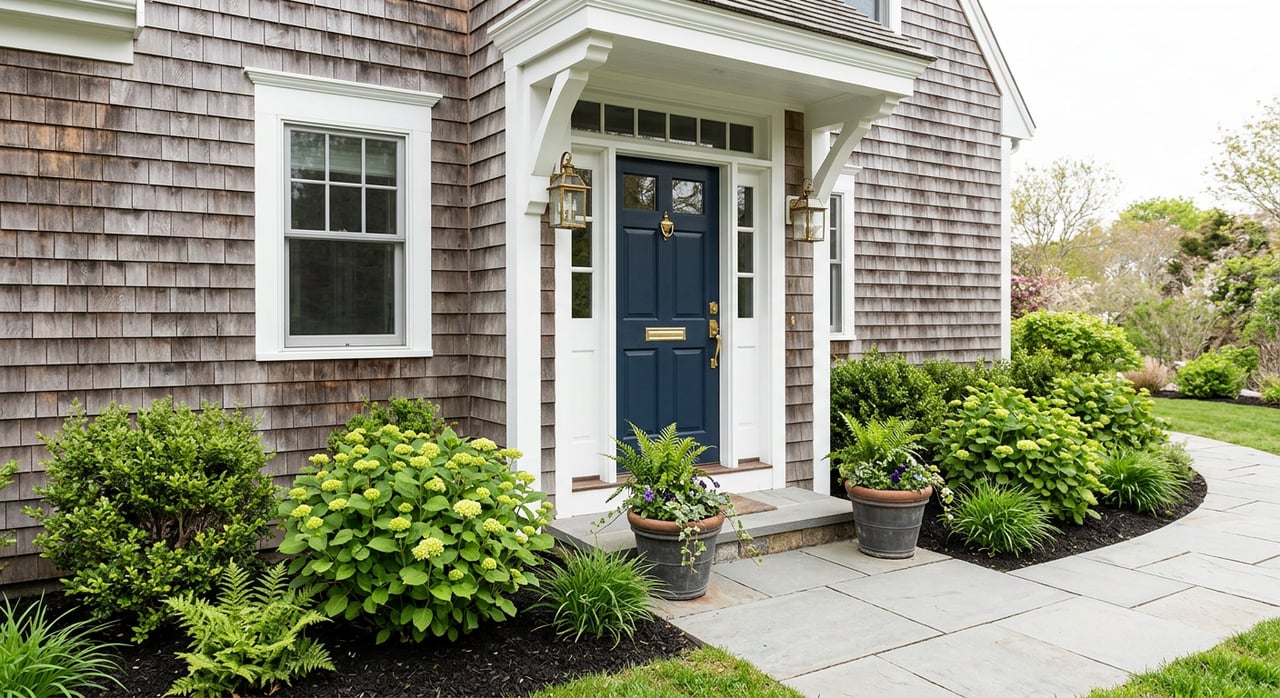
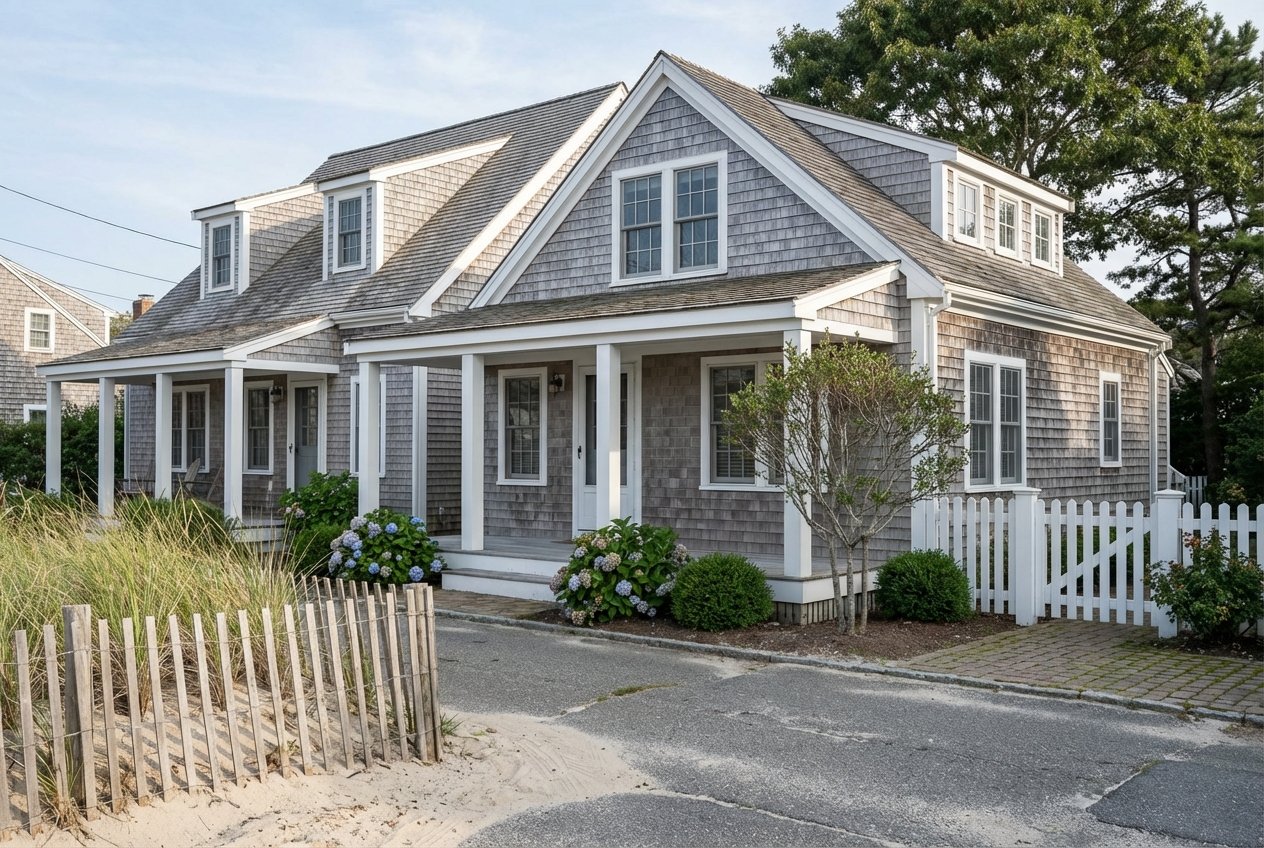
Away from the water, you will find a mix of older cottages, traditional single-family homes, and some newer builds. These neighborhoods often appeal to year-round households looking for more predictable maintenance and potentially more attainable prices than waterfront areas. If a quieter setting and practical living are your priorities, these inland streets can be a great fit.
Like much of Cape Cod, Orleans has many homes used seasonally. Long-term rental options can be limited, especially if you plan to move in the fall or winter. Short-term rental demand remains strong in summer, and towns across the Cape have been updating rental bylaws in recent years. If rental income is part of your plan, review local regulations, licensing, and enforcement before you commit.
Year-round living in a coastal town comes with specific upkeep. Many Orleans homes use oil, gas, or electric heat, and oil delivery is common during colder months. If a property has a seasonal history, plan for winterizing tasks that protect plumbing and heating systems. Coastal insurance can be more complex and expensive, and some properties may require flood insurance in addition to standard coverage.
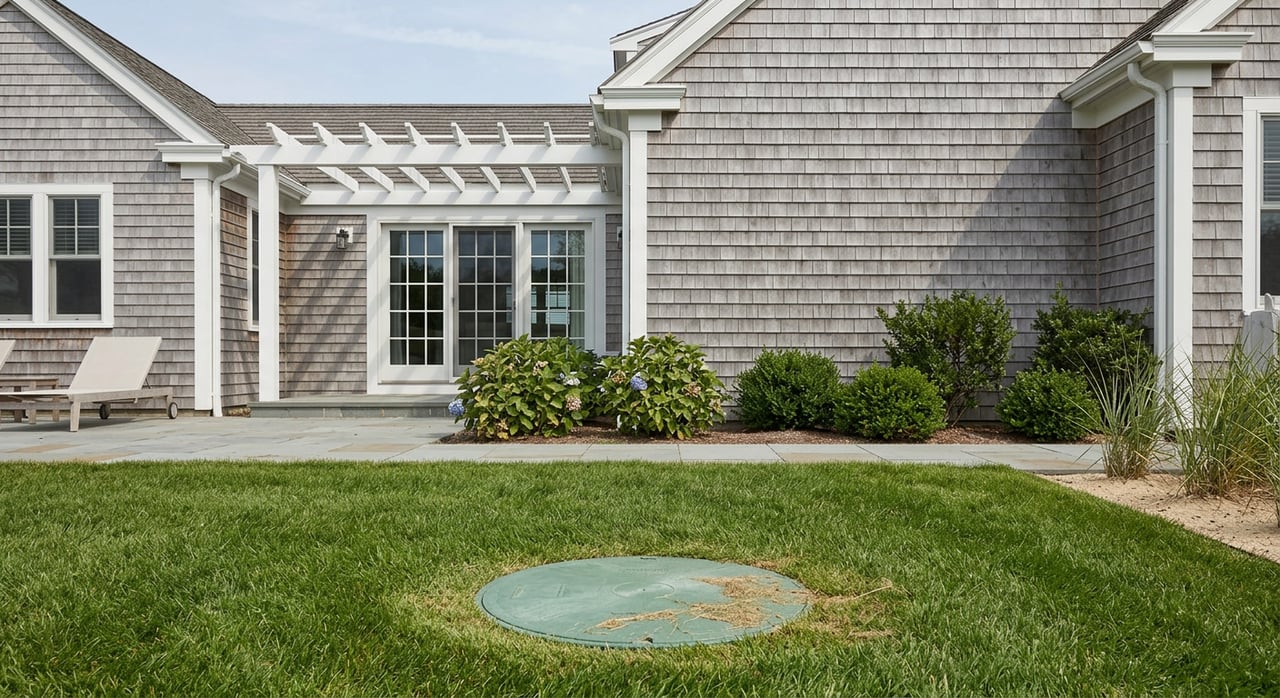
If the home has a septic system, you will want to understand Title V standards and ongoing maintenance needs. For second-home owners, a local property manager can be helpful for winter checks and coordinating repairs. With the right vendor support, you can keep costs predictable and protect your investment during storm season.
Orleans participates in the regional school structure on the Outer Cape, including the Nauset Regional School District. Public school quality and offerings vary by district, so it is a good idea to review Massachusetts Department of Elementary and Secondary Education report cards, programs, and extracurriculars that matter to your family. Childcare and preschool spots can be limited on the Cape, which means planning early and touring options in advance. Year-round families often find community through school events, youth sports, libraries, and local recreation programs.
You will find year-round primary care and urgent care options in town and nearby. For major hospital services, residents typically travel to Hyannis, where Cape Cod Hospital serves the region. Police, fire, and EMS operate year-round, with seasonal demand increasing in summer. Senior services and the Council on Aging provide transportation, wellness, and social programs that are especially helpful during winter months.
For everyday shopping, Orleans offers groceries, pharmacies, hardware, and banking that remain open through the off season. Specialty shops and galleries may have shorter hours in winter. For big-box stores, specialty medical care, or wider service options, many residents make periodic trips to larger Cape centers like Hyannis or to the mainland.
Orleans has restaurants that stay open year-round, along with seasonal spots that expand hours in summer. Outdoors, you can enjoy beaches, harbors, walking paths, and biking routes in every season, though services like lifeguards and concessions are seasonal. Local cultural venues and community events continue during colder months, creating steady ways to connect even when the pace is slow. If you love nature, off-season beach walks and quiet trail days are part of the charm.
Most people get around by car, relying on Route 6 and local roads. Commutes to regional employment centers like Hyannis are common and usually longer in summer due to traffic. Year-round public transit is limited on the Cape, and ferry schedules increase mainly during summer. If you work remotely, reliable broadband is key, so confirm internet speeds and service providers by address before you sign a lease or offer.
Cape Cod’s maritime climate brings cooler summers and relatively milder winters than inland Massachusetts, but coastal storms are part of life. Nor’easters can bring strong winds, heavy snow or rain, and temporary road closures. Hurricanes and tropical systems sometimes track north and can contribute to beach erosion and coastal flooding. Long-term owners watch FEMA flood maps and local hazard plans, especially for properties near the water.
Winter preparedness pays off. Plan for snow removal, storm-aware landscaping, and regular heating system maintenance. If a home sits on a narrow or private road, ask how plowing works and who is responsible. Simple steps like weatherizing, securing outdoor items before a storm, and inspecting roofs and gutters help you avoid costly surprises.
In Orleans, you can expect standard utility access for electric, water, and sewer in some areas, with many homes on private septic. Heating is commonly oil, gas, or electric, and scheduling fuel deliveries ahead of cold snaps is wise. Trash, recycling, and municipal services operate year-round, though pickup schedules can shift seasonally. Broadband and cellular coverage vary by neighborhood, with major providers serving many areas and some locations relying on DSL, fixed wireless, or satellite. Always check service availability at the specific address before you decide.
Use this quick self-check before you buy or rent:
Living in Orleans year-round can be a rewarding choice if you balance lifestyle with the practical details of coastal ownership. A local advisor can help you compare neighborhoods, test drive commute options, review flood and insurance needs, and line up trusted vendors for septic, inspections, and winter care. If you are exploring a move or considering listing a home, connect with a neighborhood expert who knows the rhythm of the Lower and Mid Cape and brings concierge-level support to every step. Schedule a local market consultation with Amber Dauphinais to plan your next move with confidence.
Stay up to date on the latest real estate trends.
Amber Dauphinais is dedicated to helping you find your dream home and assisting with any selling needs you may have. Contact her today for a free consultation for buying, selling, renting, or investing in Massachusetts.

AMBER DAUPHINAIS
ADDRESS 220 MAIN ST EAST ORLEANS MA 02643