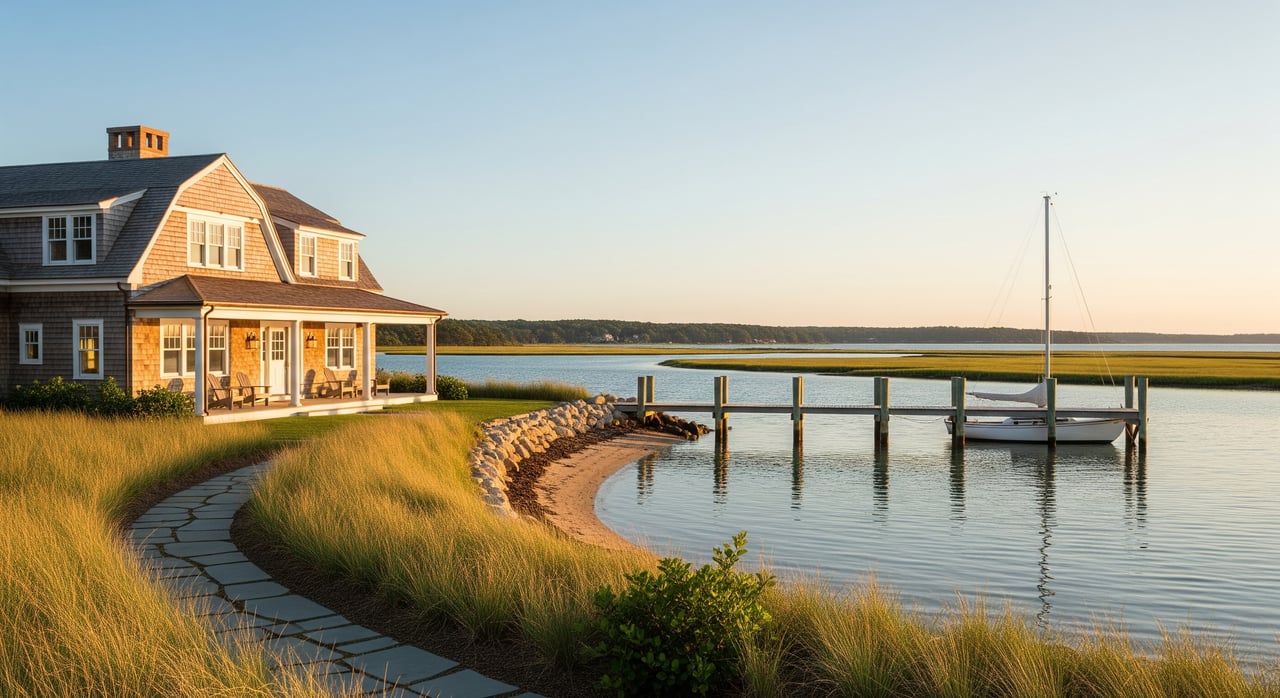
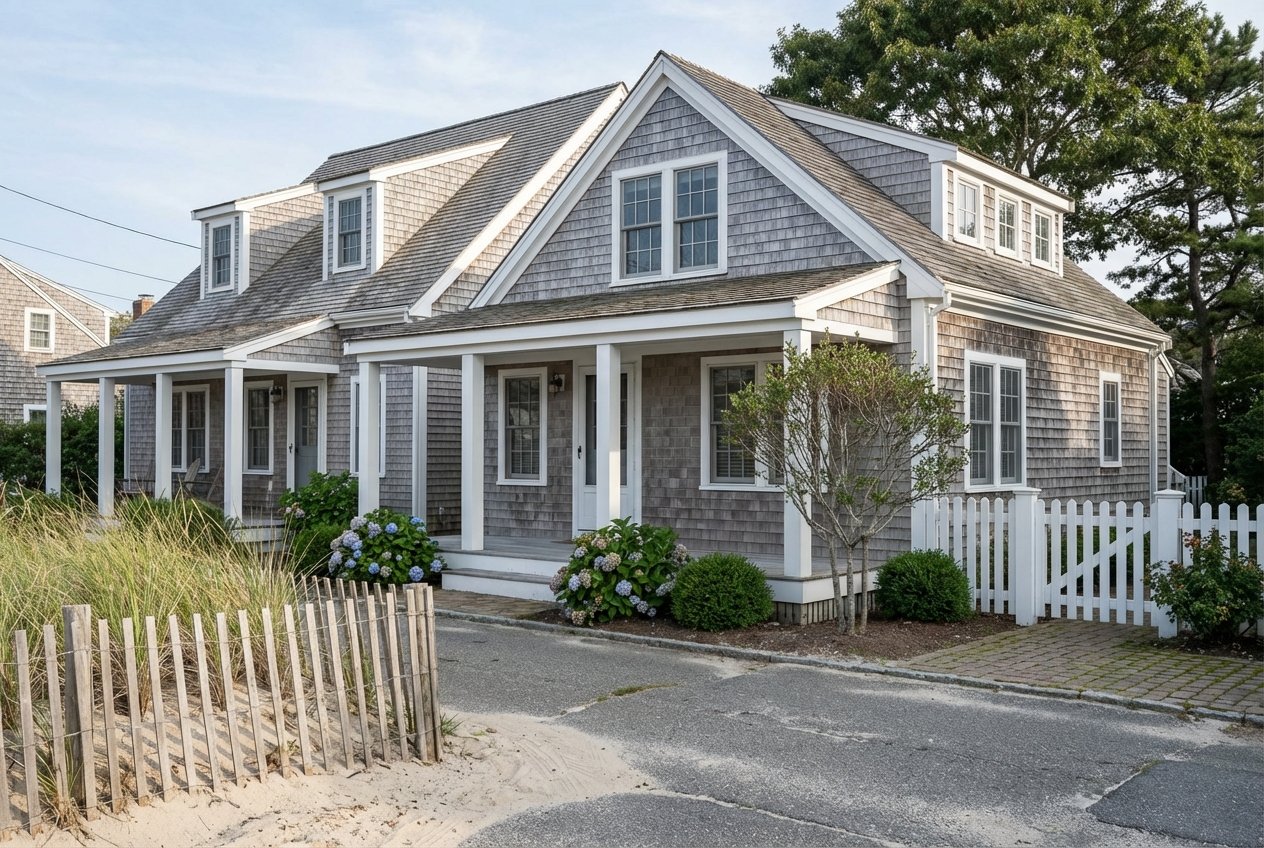
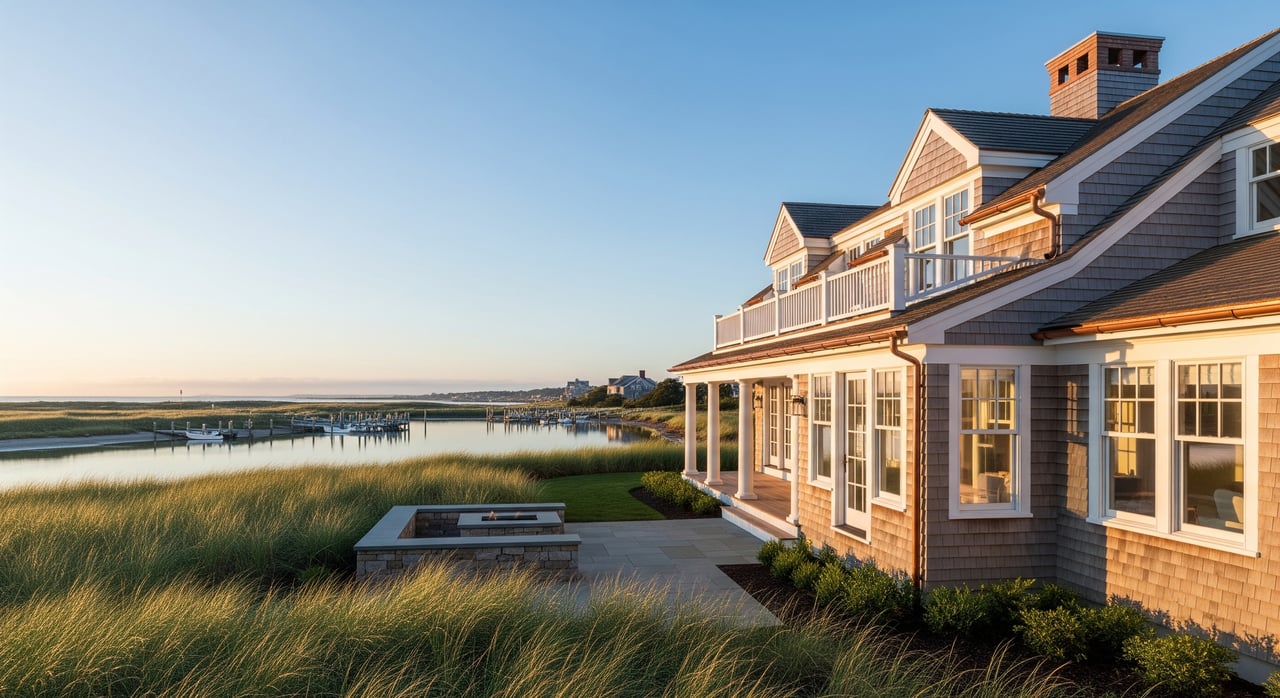
Dreaming about a Cape Cod getaway you can call your own? If Brewster keeps pulling you back, you’re not alone. Financing a second home here looks a little different than financing a primary residence, and knowing those differences can save you time, stress, and money. In this guide, you’ll learn how lenders define a second home, typical down payments and reserves, what documents you’ll need, and the Brewster-specific steps that can affect your timeline and budget. Let’s dive in.
What lenders mean by “second home”
A second home is a property you intend to use for your own occupancy in addition to your primary residence. Lenders treat it differently from both a primary home and an investment property. How you plan to use the home matters. If the main goal is personal use, it typically fits second-home guidelines. If frequent rentals are part of the plan, lenders may classify it as an investment property with different rules.
National programs outline these differences. You can review second-home and investment definitions in the Fannie Mae Selling Guide and the Freddie Mac Single-Family Seller/Servicer Guide. Government-backed loans are designed for primary residences, so second homes usually do not qualify for FHA or VA financing. See the HUD FHA program overview and VA home loans for details.
Some lenders also look at distance from your primary home and how often you will occupy the property. Be prepared to explain your intended use and travel plans.
Loan options and typical costs
Conventional loans are the most common choice for Brewster second homes. If the purchase price is above conforming limits, a jumbo loan may be needed. Expect stronger credit and asset requirements than for a primary home.
Down payment and LTV
- For many well‑qualified buyers, second-home down payments often start around 10 percent. Some lenders ask for 15 to 20 percent, especially for higher price points or unique properties.
- Jumbo loans typically require 10 to 20 percent down, and many lenders favor the higher end of that range.
Credit and debt‑to‑income
- Stronger credit helps. Many lenders prefer 700+ scores for the best terms on second homes. Lower scores can sometimes qualify with a larger down payment or a rate premium.
- Debt‑to‑income limits vary by lender. Second-home loans may have tighter thresholds than primary residence loans.
Reserves after closing
- Plan to keep 6 to 12 months of PITI in reserves. That means cash or verified assets covering principal, interest, taxes, and insurance after your down payment and closing costs.
- If you own multiple properties or choose a higher loan‑to‑value, lenders may ask for the higher end of this range.
Rates and pricing
- Second-home mortgages usually carry a small rate premium compared with primary homes. Jumbo or higher‑LTV loans can increase that spread.
Gift funds and rental plans
- Gift funds may be allowed in limited amounts, but many lenders require you to contribute some of your own money. Ask for specifics before you make plans.
- If you plan frequent short‑term rentals, your lender may reclassify the loan as an investment property. Pricing, down payment, and reserves will likely change.
Documents lenders will ask for
A clean file speeds up underwriting. Start gathering these early.
Standard items
- Government ID and Social Security number
- Recent pay stubs and employer contact for verification
- Two years of W‑2s and federal tax returns
- 1099s and business tax returns if self‑employed, plus a year‑to‑date profit and loss
- Two to three months of bank and asset statements
- Retirement account statements if used for reserves
- Signed purchase and sale agreement
- Insurance agent contact and binder once you have it
- Title and closing documentation as requested
If you live out of the area
- Proof of your primary residence, such as a driver’s license address or utility bill
- A short letter explaining how you plan to use and access the Brewster home
- If you will fund the purchase with a sale, provide the signed contract and estimated proceeds
- If you hope to count any rental income, expect conservative treatment. Many lenders will not use short‑term rental projections to qualify
Timing and contingencies
- Build in time for Cape‑specific steps like septic and well tests and insurance binders. These items can affect your contingency periods and closing schedule.
Brewster factors that affect financing and insurance
Brewster’s coastal setting and local rules can influence underwriting, insurance availability, and timing.
Title 5 septic requirements
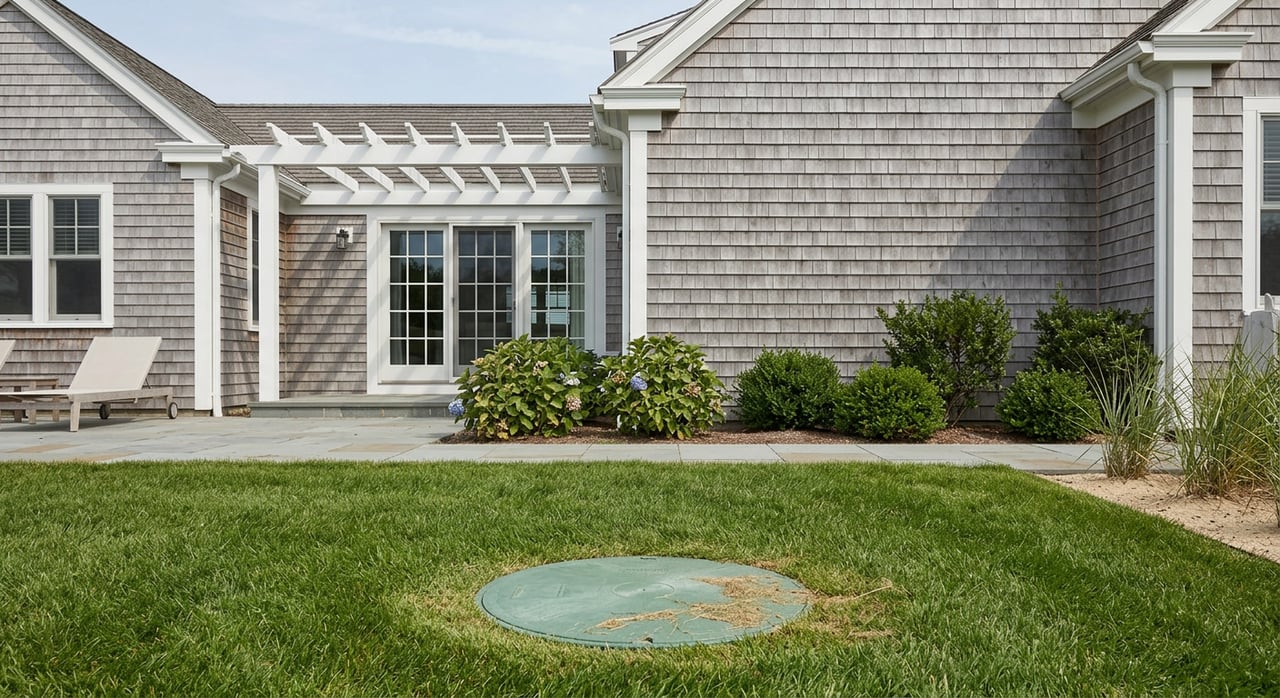
Most Brewster homes rely on septic systems. Massachusetts requires an inspection when a property transfers. A passing Title 5 or Board of Health approval is often needed to close a loan. Failing or marginal systems can require repair or replacement and may delay closing. Review the MassDEP Title 5 septic rules and plan your contingencies and budget accordingly.
Flood risk and insurance
Parts of Brewster fall within FEMA Special Flood Hazard Areas. If your property is in one of these zones, lenders will require flood insurance. Even outside mapped zones, coastal proximity and elevation can raise premiums. Check your address on the FEMA Flood Map Service Center and request quotes early. Some homes may also need an elevation certificate.
Home insurance on the Cape
Coastal homes can face higher premiums or limitations for wind and storm coverage. Property age, building materials, and location all play a role. Start conversations with insurers early so your lender can review the binder well before closing.
Private wells and water quality
Many Cape properties use private wells. Lenders and buyers often require water testing for bacteria and common contaminants. If treatment is needed, factor in cost and timing.
Short‑term rental rules
If you plan to rent your Brewster home part of the year, check local registration or permitting requirements. Rules can affect both financing classification and insurance. Start with the Town of Brewster website for current information and contacts.
Step‑by‑step plan to get mortgage‑ready
Follow these steps to stay ahead of underwriting and local requirements.
- Speak with a second‑home lender early
- Ask about conforming versus jumbo options and how they treat Cape properties.
- Confirm down payment ranges, required reserves, and whether gift funds are allowed.
- Discuss any rental plans so you know if the loan will be treated as a second home or an investment property.
- Secure a true preapproval
- Make sure the lender includes reserve requirements and reviews your full documentation, not just a quick prequalification.
- Gather documents now
- Two years of tax returns and W‑2s or 1099s, 30 days of pay stubs, and two to three months of bank statements.
- If self‑employed, include business returns and a year‑to‑date profit and loss.
- If using sale proceeds, provide the signed sales contract and estimated net sheet.
- Budget for Cape‑specific items
- Title 5 septic inspection and potential repairs.
- Flood and wind insurance, plus an elevation certificate if required.
- Well testing and any water treatment.
- Set realistic timelines
- Build time in your contingency periods for septic, well, flood, and insurance steps. Coordinate with your agent, lender, and inspector early.
- Ask your lender these key questions
- What down payment and credit score do you require for a second‑home loan in Massachusetts, both conforming and jumbo?
- How many months of reserves will I need at my target price and LTV?
- Will you allow gift funds for my down payment, and how much must come from my own assets?
- How do you treat short‑term rental plans when classifying the loan?
- What documentation will you need for Title 5, flood, and well issues, and how might that affect my closing date?
Quick checklist for Brewster second‑home buyers
- Choose a lender experienced with second homes and Cape Cod properties.
- Request a second‑home preapproval that includes reserves.
- Collect income, asset, and tax documents in advance.
- Confirm down payment source and any gift fund rules.
- Review FEMA flood maps and get insurance quotes early.
- Schedule Title 5 and well tests within your inspection window.
- Confirm Brewster short‑term rental rules if you plan to rent.
- Build a cushion for septic, insurance, or well‑related costs.
- Work with a local agent who can coordinate vendors and timing.
Common scenarios and how to navigate them
- You plan occasional short‑term rentals. Tell your lender up front and verify how they will classify the loan. Check local rental registration rules and carry the right insurance.
- You need jumbo financing. Expect a larger down payment and higher reserves. Shop lenders, as jumbo overlays vary.
- You are selling another home to fund the down payment. Provide the signed sales contract and estimated proceeds. Ask how those funds will count toward reserves.
Ready to explore Brewster second‑home options?
Buying a second home on the Cape is part numbers, part local know‑how. With the right lender, clear documentation, and a plan for Title 5, insurance, and well testing, you can move from idea to keys with confidence. If you want help aligning your budget, timing, and neighborhood goals, connect with Amber Dauphinais to start a local market conversation.
FAQs
What is the minimum down payment for a Brewster second home?
- Many lenders start around 10 percent for well‑qualified buyers, and some require 15 to 20 percent depending on credit, price, and property factors.
Are FHA or VA loans available for Brewster second homes?
- Generally no, because FHA and VA programs are intended for primary residences based on HUD and VA guidance.
How many months of reserves do lenders require for second homes?
- Plan for 6 to 12 months of PITI in reserves, with higher amounts possible for jumbos or higher loan‑to‑value scenarios.
Will lenders count short‑term rental income when I qualify for a Brewster second home?
- Often no, or only in a limited way, and frequent rentals can trigger investment‑property treatment with different terms.
Do I need a Title 5 septic inspection to close on a Brewster home?
- Yes, Massachusetts Title 5 rules apply at property transfer, and a passing report or local approval is commonly required for closing.