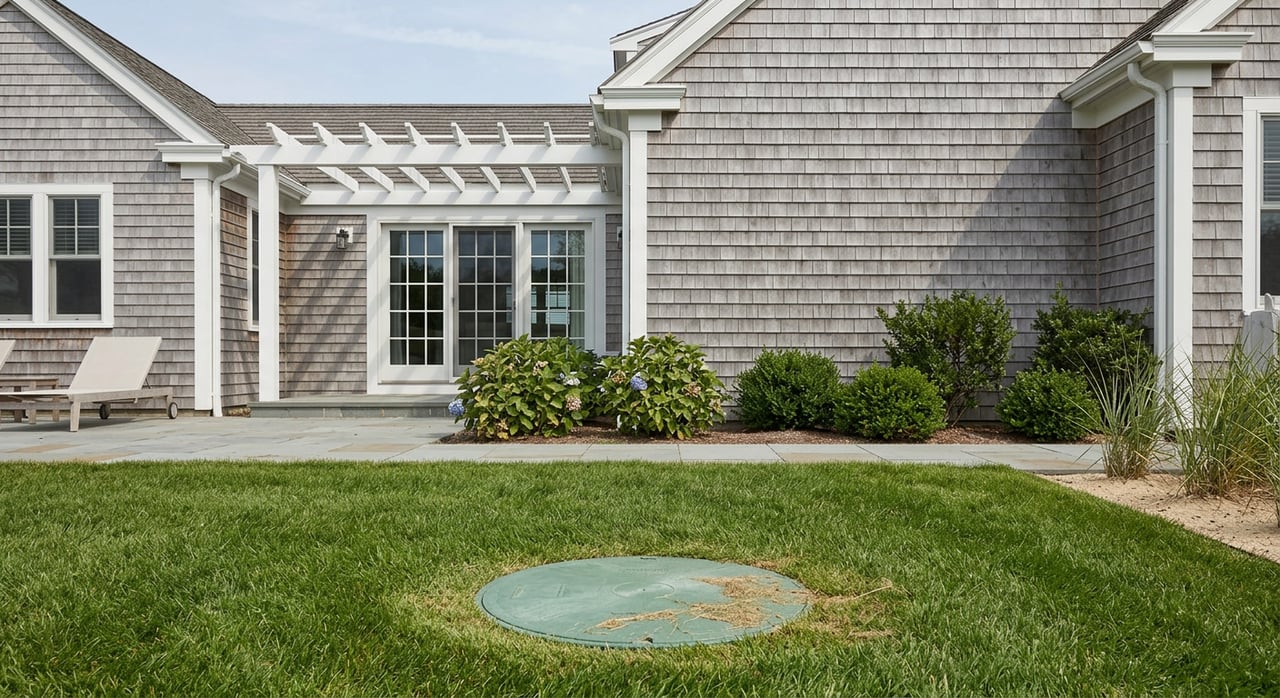
Septic And Title V Basics For Orleans Homebuyers
March 5, 2026
March 5, 2026
Shopping for a home in Orleans and seeing “Title 5” in the listing notes? You are not alone. Septic rules on Cape Cod can feel complex when you are just trying to buy the right house. The good news: once you know the basics, you can spot red flags early, budget smartly, and structure a clean offer.
This guide explains how Massachusetts Title 5 inspections work in Orleans, what the results mean, typical costs and timelines, and how buyers commonly negotiate when an issue comes up. You will also see where local Cape rules on nitrogen and innovative systems fit in. Let’s dive in.
Massachusetts requires a Title 5 inspection for most residential transfers. The inspection window is within two years before a sale, or up to three years if the owner has documented annual pumping. If weather prevents an inspection before closing, the state allows it up to six months after closing with written notice. See the state’s overview in Buying or Selling Property with a Septic System.
A passing Title 5 report is generally valid for two years. It can be valid for three years if the system is pumped yearly and you have records. The inspector must use the MassDEP Title 5 form and submit the report to the local Board of Health within 30 days.
Because Orleans is on Cape Cod, local rules can be stricter than the state minimums. Orleans also requires that inspectors who work in town be registered with the Board of Health. You can review local regulations in the Orleans Board of Health Subsurface Sewage Disposal regulations.
Customarily, the seller orders and pays for the Title 5 inspection and provides the report to you. Parties can agree to do it differently in the purchase contract. Inspections must be completed by a MassDEP‑approved Title 5 System Inspector. The statewide roster is maintained through NEIWPCC. For general roster information, start with the state’s resource link on the NEIWPCC/inspector roster, then confirm the individual is approved and registered to work in Orleans per local BOH rules.
At minimum, the inspector locates and evaluates the building sewer, septic tank, distribution box or dosing chamber, and the leaching area. They check tank integrity, baffles, liquid levels, the distribution box, evidence of breakout or backup, and estimated depth to high groundwater. The official outcomes are:
In a conditional pass, the system needs a simple, defined fix, such as replacing a broken tee or riser. In a fail, Title 5 requires repair or upgrade. Owners typically have up to two years to complete required work unless the Board of Health or MassDEP sets a shorter deadline. For details on results and next steps, see the state’s Guidance for the Inspection of On-site Sewage Disposal Systems.
Lenders often set their own conditions. Some will require repairs before funding or allow an escrow holdback. Check your lender’s policy early so your timeline and financing stay aligned.
Cape Cod is subject to watershed protection rules focused on nitrogen. Properties in designated Nitrogen Sensitive Areas may face additional requirements over time, such as nitrogen‑reducing technology or sewer connection timelines. Learn more from MassDEP’s Cape update in the watershed protection rules for Cape Cod.
Orleans also has local nutrient management regulations. Before you make an offer, ask the Orleans Board of Health whether the property is in a Nitrogen Sensitive Area or a municipal sewer planning area, and whether local rules will affect near‑term system upgrades. Local regulations are posted here: Orleans Board of Health Subsurface Sewage Disposal regulations.
You will see several system types across Orleans and the Lower Cape. The type affects replacement cost, maintenance, and permitting.
Before you even get to a formal inspection, pay attention to clues that a system is struggling. Common red flags include:
For more on what constitutes a failure or conditional pass, see the state’s inspection guidance.
Every site is different, but Cape ranges tend to cluster. Regional practitioners report:
For practical local ranges and timing context, review this regional summary: Title 5 and septic inspections when you sell. Expect design and permitting to add weeks, and construction to take from days for simple repairs to multiple weeks for full replacements. From a failed inspection to final sign‑off, plan on several weeks for small fixes or a few months for complete upgrades, especially in peak season.
I/A systems also carry ongoing costs. Budget for required O&M contracts, periodic sampling or reporting, and electricity for pumps or blowers as specified by the approved technology. See MassDEP’s Approved Title 5 Innovative/Alternative Technologies for monitoring and O&M notes by technology type.
If an inspection turns up concerns, you still have options. Common paths include:
State guidance on inspection outcomes and required upgrades is here: Guidance for the Inspection of On-site Sewage Disposal Systems. Always confirm terms with your lender and the Orleans Board of Health before you commit.
If a system needs work, you may have help with costs:
Always check current eligibility, interest rates, and deadlines before applying.
You do not need to navigate Title 5 alone. From finding a qualified inspector to organizing quotes and negotiating repairs or credits, a local guide can save you time and stress. If you are weighing two Orleans homes and one has an older cesspool while the other has a monitored I/A system, we will help you compare total cost of ownership, resale impact, and timelines so your offer reflects real numbers.
If you are ready to buy on the Lower Cape, reach out to Amber Dauphinais for concierge-level support and local vendor referrals tailored to your home search.
Stay up to date on the latest real estate trends.

Amber Dauphinais is dedicated to helping you find your dream home and assisting with any selling needs you may have. Contact her today for a free consultation for buying, selling, renting, or investing in Massachusetts.

AMBER DAUPHINAIS
ADDRESS 220 MAIN ST EAST ORLEANS MA 02643