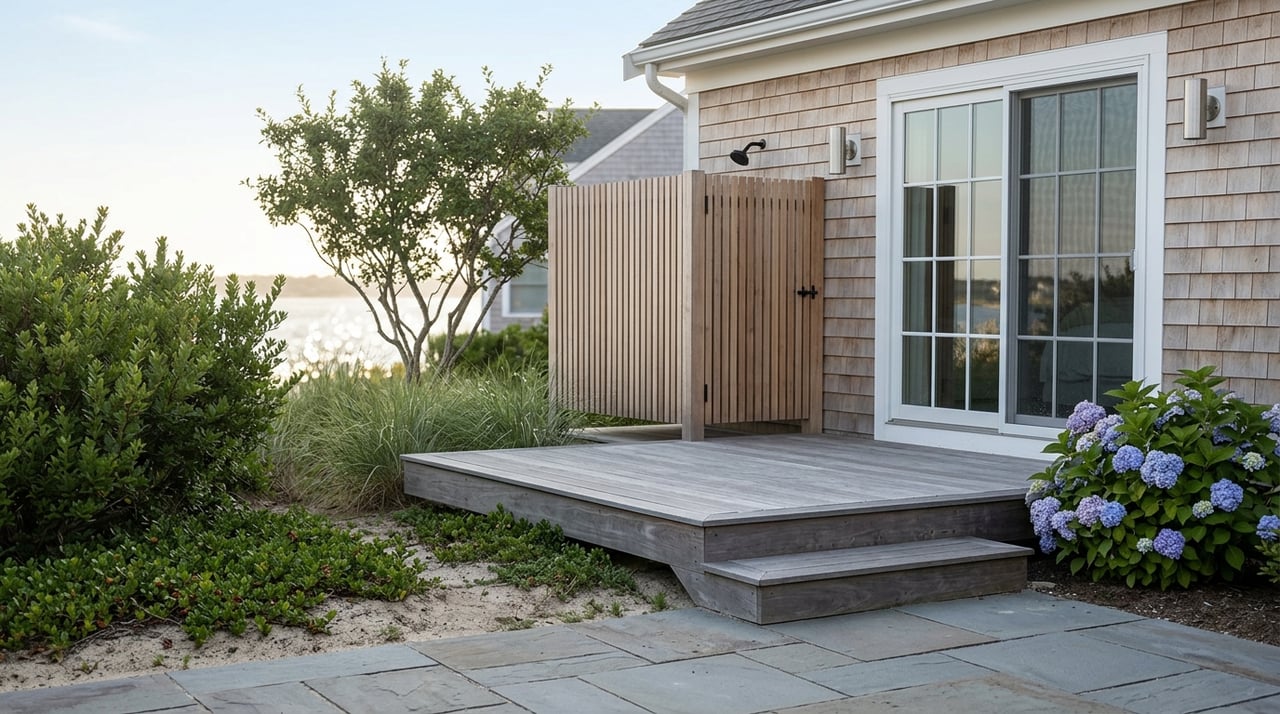
Comparing Orleans MA Waterfront Homes and Pond-Access Options
June 11, 2026
June 11, 2026
Dreaming about life by the water in Orleans? It is easy to assume a waterfront home and a pond-access home deliver the same Cape Cod lifestyle, but they can come with very different costs, rules, and day-to-day experiences. If you are weighing your options, understanding those tradeoffs upfront can help you buy with more confidence and fewer surprises. Let’s dive in.
In Orleans, water is a major part of the landscape. The town reports 63 ponds covering 220 acres, and local zoning is designed to protect inland and coastal waterways, wetlands, and watersheds. That means the difference between direct frontage and access rights is not just about views or convenience. It can also affect what you can do with the property over time.
A true waterfront home usually gives you direct contact with the shoreline from your own lot. A pond-access or water-access home may offer a shared path, deeded access, use of a town landing, or access through a marina or mooring setup. Both can be appealing, but they do not operate the same way in practice.
Direct waterfront often stands out for one simple reason: ease. You can enjoy the water without packing up the car, coordinating with shared access, or walking from another location. For many buyers, that everyday convenience is the whole point.
Waterfront ownership can also offer a stronger sense of privacy and control over how you use your outdoor space, subject to local rules. If your goal is morning coffee with an open water view, quick kayak launches, or a shoreline setting that feels tied directly to your home, true frontage is often the closest match.
For buyers looking at second homes or higher-end coastal properties, direct waterfront can also carry a different emotional appeal. It tends to feel more immersive and more connected to the Cape lifestyle people picture when they start searching in Orleans.
Access-only homes can still deliver a lot of value, especially if you want to stay near the water without taking on every cost and restriction that can come with direct frontage. In some cases, you may get a great location, a practical layout, and a meaningful water connection at a more approachable price point.
This can be especially attractive if your lifestyle is more occasional than daily. If you want to paddle, fish, or enjoy the pond on weekends rather than every morning, a shared or deeded access arrangement may be enough. You may also find that an inland lot gives you more flexibility for future upkeep or improvements.
That said, access needs to be defined clearly. A home described as having water access does not always include the same rights, convenience, or boating setup that a buyer expects.
One of the biggest practical differences in Orleans is how boating access works. The town notes that access to municipal mooring fields comes from town landings, and current waitlists for moorings and Rock Harbor dockage are about 8 to 10 years. That is a major detail if your vision includes keeping a boat close by.
In other words, deeded access to the water does not automatically mean you can step into full boating use right away. A property may be near the water and still require separate planning for mooring, launching, or dockage. If boating is central to your decision, this is one of the first points to verify.
Pond homes in Orleans can be wonderful for swimming, fishing, and boating. The town also maintains water-quality reports and management plans for specific ponds and lakes, which is important because not every waterbody performs the same way from season to season.
Algae and cyanobacteria blooms can occur in freshwater settings. That means a beautiful pond view and a pond you feel comfortable using regularly are not always identical things. If swimability, clarity, or recreation is a high priority for you, it makes sense to look beyond the listing photos and ask about the specific pond.
For many buyers, the real tradeoff is not lifestyle. It is the approval process. Orleans says work in wetland resource areas, within 100 feet of those areas, and in land subject to coastal storm flowage falls under Conservation Commission jurisdiction.
That can affect more projects than people expect. Construction, decks, sheds, patios, and vegetation changes can all come under review. A home that feels simple at first glance may involve a much more layered process when you want to improve it.
The town also says the best way to confirm whether a property falls under this jurisdiction is with a recent engineered site plan showing wetland delineations. Those delineations are considered valid for 3 years. For buyers thinking ahead to additions, outdoor upgrades, or shoreline work, this is a key part of due diligence.
Some buyers assume waterfront ownership naturally includes the option to add or expand a dock. In Orleans, that assumption can create disappointment. The town’s wetlands regulations say permanent and seasonal docks and piers need Chapter 91 licensing, Army Corps review, and a valid Order of Conditions.
Even then, approval is not guaranteed. The regulations also note that docks can be denied or modified if they would create adverse impacts, including shellfish habitat loss or prop scour. If a dock is essential to your plans, you will want to investigate what already exists and what approvals may still be needed.
Not all waterfront lots offer the same long-term flexibility. Orleans’ floodplain district includes FEMA special flood hazard areas such as Zone A, AE, and VE. The town’s zoning article states that no building may be erected in Zone VE, and fill for structural support is prohibited there.
That can materially change the ownership equation. A coastal parcel with impressive frontage may still be harder to improve, expand, or rebuild than an inland property with access rights only. If future renovation potential matters to you, flood zone details deserve close attention early in the process.
When you compare waterfront and pond-access homes, it helps to look beyond the purchase price. High-risk flood zones can require flood insurance for government-backed mortgages, and local floodplain review is tied to those same zone designations. A property’s location on the map can affect monthly costs as much as its setting affects lifestyle.
Wastewater is another big part of the picture in Orleans. The town says homes and businesses rely almost exclusively on on-site wastewater disposal, and it also notes that septic systems do not remove nitrogen effectively. Because Cape Cod’s sandy soils allow nitrogen to leach to groundwater and eventually coastal waters, wastewater planning is closely tied to water quality.
MassDEP says septic systems should be inspected when buying or selling a home and pumped at least every three years. For buyers considering water-adjacent property, septic condition and compliance are not side issues. They are central to smart due diligence.
Selected parts of Orleans are actively moving through sewer planning and connection requirements. The Board of Health’s sewer regulations say properties in the Sewer Service Area must connect when ordered, new structures must connect before occupancy, and existing septic systems must be abandoned after connection.
The town’s wastewater planning materials identify Downtown and the Meetinghouse Pond area as focus areas for sewer or central-treatment work. If you are looking near those districts, it is worth verifying whether future connection timing, assessments, or septic abandonment work could affect your costs or renovation plans.
If you are deciding between direct waterfront and pond-access, it helps to think in terms of lifestyle, flexibility, and carrying costs.
| Factor | Waterfront Home | Pond-Access Home |
|---|---|---|
| Daily water use | Usually easiest and most direct | Depends on actual access arrangement |
| Views and setting | Often stronger water connection | May still offer nearby water lifestyle |
| Permitting complexity | Often higher | May be lower, depending on site |
| Floodplain exposure | More likely to be a factor | May be less restrictive inland |
| Dock or boating expectations | Must be verified, not assumed | Often separate from access rights |
| Long-term ownership costs | Can be higher due to insurance and site constraints | May offer a simpler cost structure |
Neither option is automatically better. The right fit depends on how you plan to use the home, how much complexity you are comfortable managing, and whether your priority is immediate waterfront living or a more flexible property near the water.
A strong water-related purchase in Orleans usually starts with very specific questions. General descriptions like “pond access” or “near the water” are not enough on their own.
Here are a few smart questions to raise early:
These answers can shape not only your buying decision, but also your long-term comfort with the property.
If you are comparing waterfront and pond-access homes in Orleans, local context matters. The right property is not just the one with the prettiest view. It is the one that fits your goals, budget, and comfort level with Cape-specific details like wetlands review, flood zones, septic, and future sewer connection. If you want a practical local perspective as you sort through the options, schedule a local market consultation with Amber Dauphinais.
Stay up to date on the latest real estate trends.
Amber Dauphinais is dedicated to helping you find your dream home and assisting with any selling needs you may have. Contact her today for a free consultation for buying, selling, renting, or investing in Massachusetts.
AMBER DAUPHINAIS
ADDRESS 220 MAIN ST EAST ORLEANS MA 02643