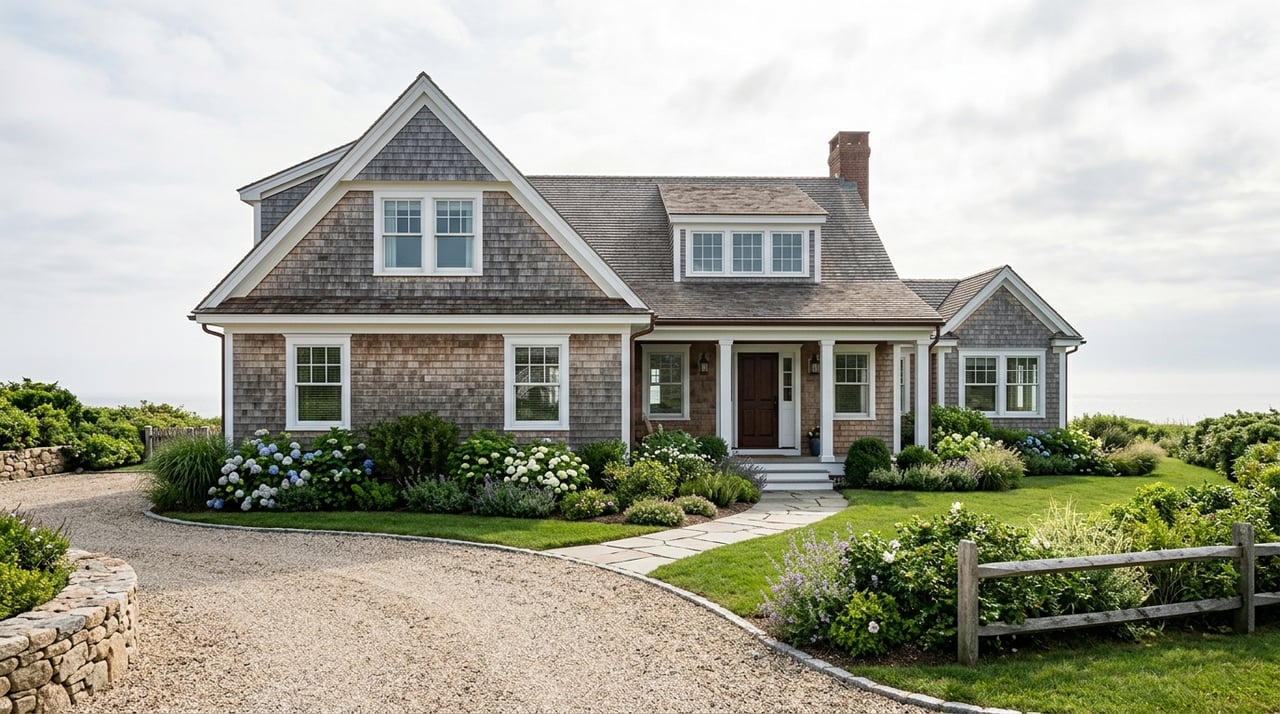
Home Inspection Basics For Orleans Buyers And Sellers
July 2, 2026
July 2, 2026
Buying or selling a home in Orleans can feel simple until the inspection phase starts raising questions. If you are dealing with an older Cape home, a seasonal property, or a house with a septic system, it helps to know what the inspection does and does not tell you. This guide walks you through the basics so you can feel more prepared, ask better questions, and move forward with more confidence. Let’s dive in.
A standard Massachusetts home inspection is a visual examination of a residential property with one to four dwelling units. It focuses on the home’s physical structure and major interior systems, not on hidden conditions behind walls or underground.
Inspectors typically review readily accessible and exposed parts of the home. That usually includes the roof, attic, walls, ceilings, floors, windows, doors, basement, foundation, heating and cooling systems, and interior plumbing and electrical systems.
It is also important to know what a home inspection is not. It is not an appraisal, a code inspection, a warranty, or an insurance policy on the property.
Massachusetts has specific rules that affect how inspections fit into a home sale. In most sales of one- to four-unit residential properties, sellers and their agents cannot make acceptance of an offer conditional on a buyer waiving or limiting the right to a home inspection.
Buyers must also receive a separate written disclosure before or at the first written contract. The inspection must be completed by a licensed Massachusetts home inspector, and buyers are entitled to a reasonable period to decide how to proceed after reviewing the results.
That matters because the inspection is part of your decision-making process, not just a box to check. Whether you are buying or selling, understanding that timeline can make negotiations feel more manageable.
Orleans has some local conditions that can shape the inspection conversation. Homes and businesses in town rely almost exclusively on Title 5 septic systems, which makes wastewater documentation especially important during a sale.
Cape Cod’s environment also plays a role. The region’s sandy soils, coastal winds, salt spray, and moisture exposure can affect visible parts of a home over time.
In practical terms, that often means inspections in Orleans may involve closer attention to signs of water intrusion, dampness, drainage concerns, roof wear, and exterior weathering. Because the inspection is visual and limited, these observations often lead to repair estimates or follow-up with specialists rather than final answers on the spot.
If you are buying in Orleans, plan to be as informed and present as possible. A home inspection is your chance to learn how the property functions and where future maintenance may be needed.
Try to attend the inspection if your schedule allows. Walking through the home with the inspector can help you understand the systems, hear context around findings, and ask questions in real time.
You should also remember that the report is not a pass-or-fail grade. It is better viewed as a practical summary of the home’s observed condition on that day.
In Orleans, septic is often one of the most important parts of the transaction. Massachusetts guidance says septic system inspections are generally required within two years before a sale.
The report must be submitted within 30 days of the inspection. If weather prevents a pre-closing inspection, it may be completed up to six months after the sale if the seller gives written notice to the buyer.
Because Orleans properties rely so heavily on septic systems, buyers should make sure they understand what documentation is available and whether any follow-up is needed. This is one of the most Cape-specific parts of the process, especially for out-of-area buyers.
A standard home inspection has limits. It does not test for every possible issue, and some concerns require separate evaluations.
Buyers may want additional testing for lead paint, water quality, wood-destroying insects, radon or other air-quality concerns, and mold or allergens. Those items are not part of a basic home inspection.
That can be especially important in older homes. If a home was built before 1978, Massachusetts lead-law disclosure rules may apply.
If you are selling, a little preparation can make the inspection go more smoothly. The goal is not to make an older home look perfect. It is to make the property accessible, safe to inspect, and easier to understand.
Make sure the inspector can reach all readily accessible areas and that those spaces have sufficient lighting. Clear access to the attic, basement, electrical panel, heating equipment, and other major systems can help avoid delays or incomplete observations.
It also helps to gather records in advance. Having paperwork ready can give buyers better context and make follow-up conversations more productive.
The written report is more than a short list of problems. In Massachusetts, the report is expected to identify the inspector, the client, the property address, inspection times, weather conditions, the condition of inspected components, and any obstructions or items that were not inspected.
That level of detail can be very useful after the inspection. It gives both sides a clearer way to discuss repairs, credits, or next steps.
Instead of treating the report like a verdict, use it as a working document. It can help you separate routine maintenance items from bigger concerns that may affect the transaction.
Almost every inspection report includes some issues. That is normal, especially in a place like Orleans where coastal weather and older housing stock can show wear over time.
The most helpful next step is to sort findings into practical categories. Ask whether an item is related to safety, water, or a major system, and whether it should be repaired before closing, addressed through a credit, or reviewed by a specialist.
This approach can keep the conversation focused and productive. It also fits the purpose of the inspection, which is to identify visible conditions, not to guarantee the future performance of the home.
Inspection issues on Cape Cod often involve more than a single report. Septic paperwork, coastal wear, maintenance history, and scheduling local follow-up vendors can all affect how smoothly a transaction moves forward.
That is where local knowledge can make a difference. If you are buying from out of town or selling a property with Cape-specific systems, having someone who understands the process can save time and reduce stress.
A clear plan, good communication, and the right local contacts can help you move from inspection findings to practical solutions. If you want guidance tailored to your Orleans sale or purchase, connect with Amber Dauphinais for a local market consultation.
Stay up to date on the latest real estate trends.


Amber Dauphinais is dedicated to helping you find your dream home and assisting with any selling needs you may have. Contact her today for a free consultation for buying, selling, renting, or investing in Massachusetts.

AMBER DAUPHINAIS
ADDRESS 220 MAIN ST EAST ORLEANS MA 02643