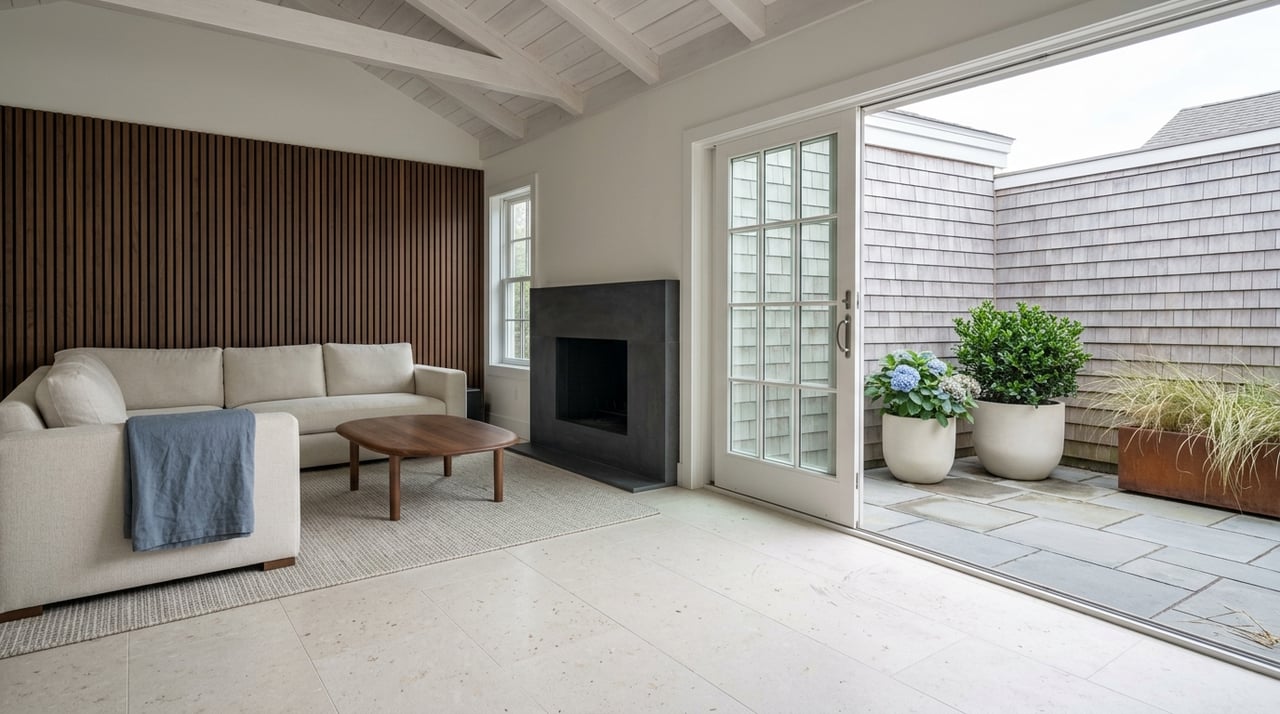
Downsizing in Orleans MA: Should You Choose a Condo or Cottage
June 18, 2026
June 18, 2026
Wondering whether a condo or a cottage makes more sense for your next chapter in Orleans? If you are downsizing, the answer is not just about square footage. In Orleans, daily convenience, parking, trail access, beach use, and septic or sewer details can all shape how easy your life feels. This guide walks you through the key condo versus cottage considerations so you can make a smart, confident move. Let’s dive in.
Downsizing in Orleans comes with some very local factors. The town is compact, and where you live within Orleans can affect how often you drive, how easily you access services, and what kind of upkeep you may face.
The village center is especially important for many downsizers. Town planning documents highlight this area as a hub for civic and community services, including the Senior Center, the community center on Main Street, and Snow Library. If your goal is to simplify errands and stay close to everyday resources, location may matter as much as the home type itself.
Orleans also offers options for more car-light living. CCRTA provides public transportation in town, and the Cape Cod Rail Trail runs through Orleans as part of a 22-mile paved route. For many buyers, being near these amenities can support a lower-maintenance lifestyle beyond the walls of the home.
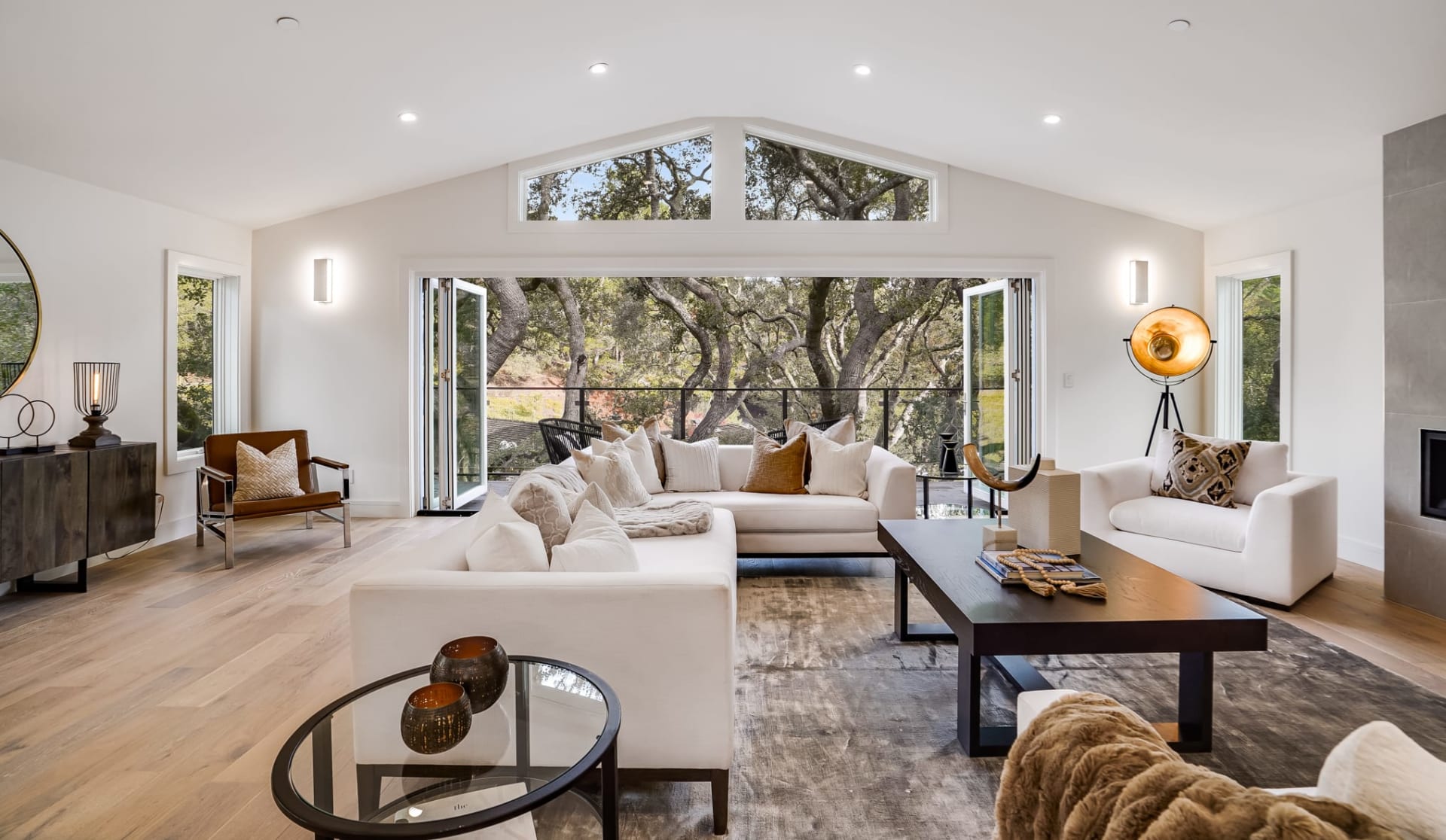
A condo can be a strong fit if you want to reduce direct maintenance responsibilities. Under Massachusetts law, a condo unit is real estate ownership that also includes an undivided interest in common areas and facilities. That means you own your unit, but some parts of the property are shared.
In practical terms, condo living usually means more convenience but also more shared structure. The condominium is governed by documents such as the master deed, bylaws, and the rules of the association. Those documents help define what the association maintains, what owners are responsible for, and how the property is managed.
Massachusetts law requires condo bylaws to address maintenance, repair, replacement, and payment for common areas. Associations also maintain records, financial reports, insurance policies, and reserve fund information. For you, that can mean less day-to-day property work to coordinate on your own.
At the same time, condo common expenses are assessed from an annual budget. Depending on the association, you may also need to plan for special assessments, late charges, or other fees allowed under Massachusetts law. A lower-maintenance lifestyle can be appealing, but it comes with shared financial obligations.
When you buy a condo in Orleans, it is important to understand the rules before you commit. Condo documents may address parking, pets, rentals, storage, and exterior changes. These details can affect whether a property truly supports the lifestyle you want.
Massachusetts also notes that questions about condo document interpretation and owner rights are legal in nature and are often best reviewed with a real estate attorney experienced in condominium law. If you are downsizing for simplicity, clear expectations upfront can help you avoid surprises later.
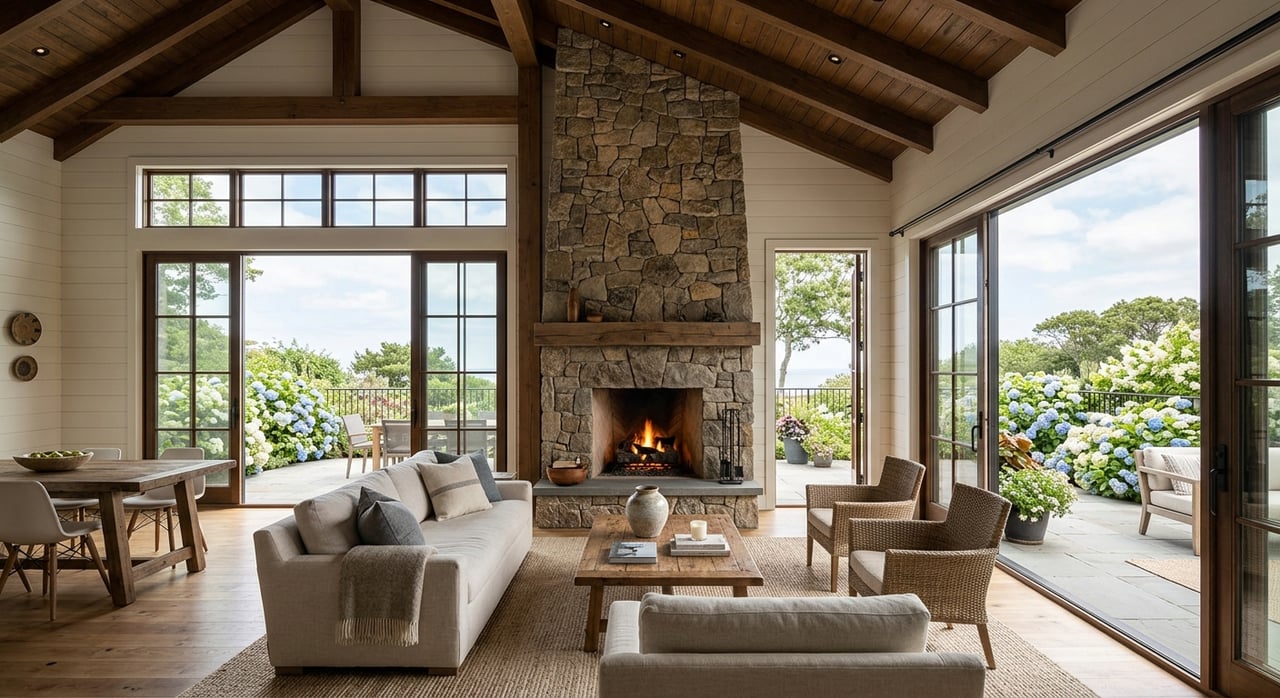
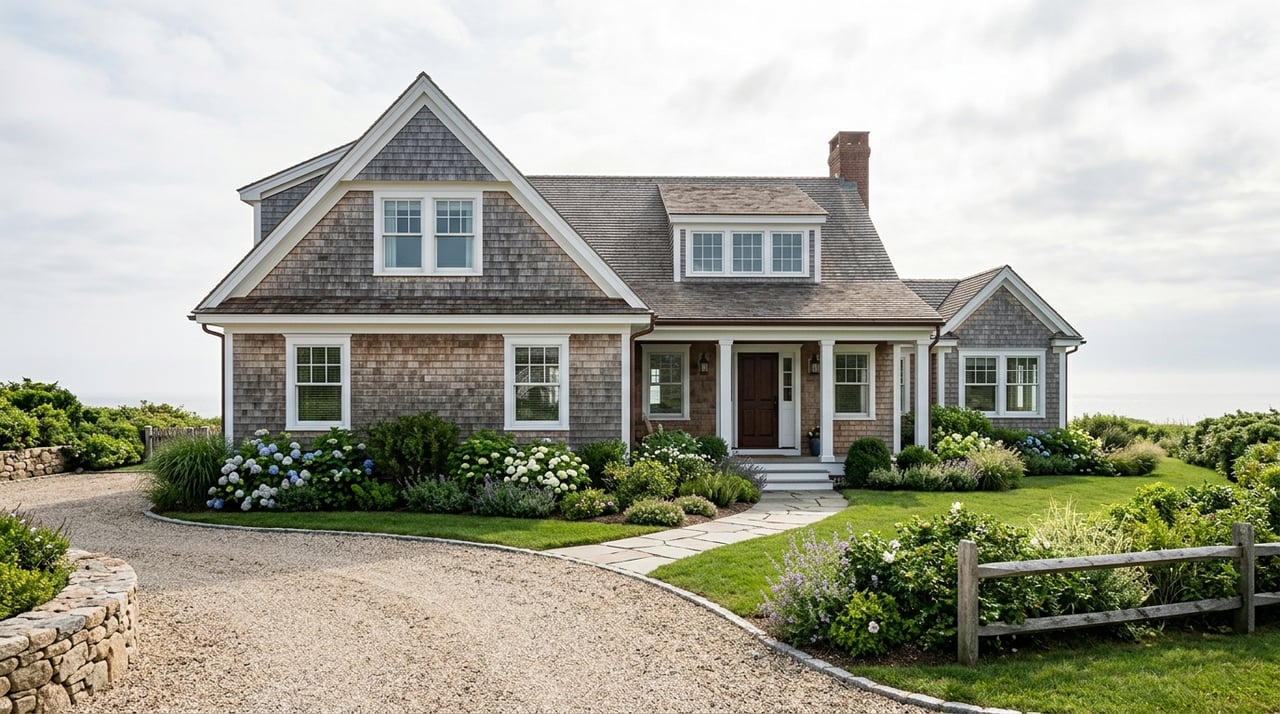
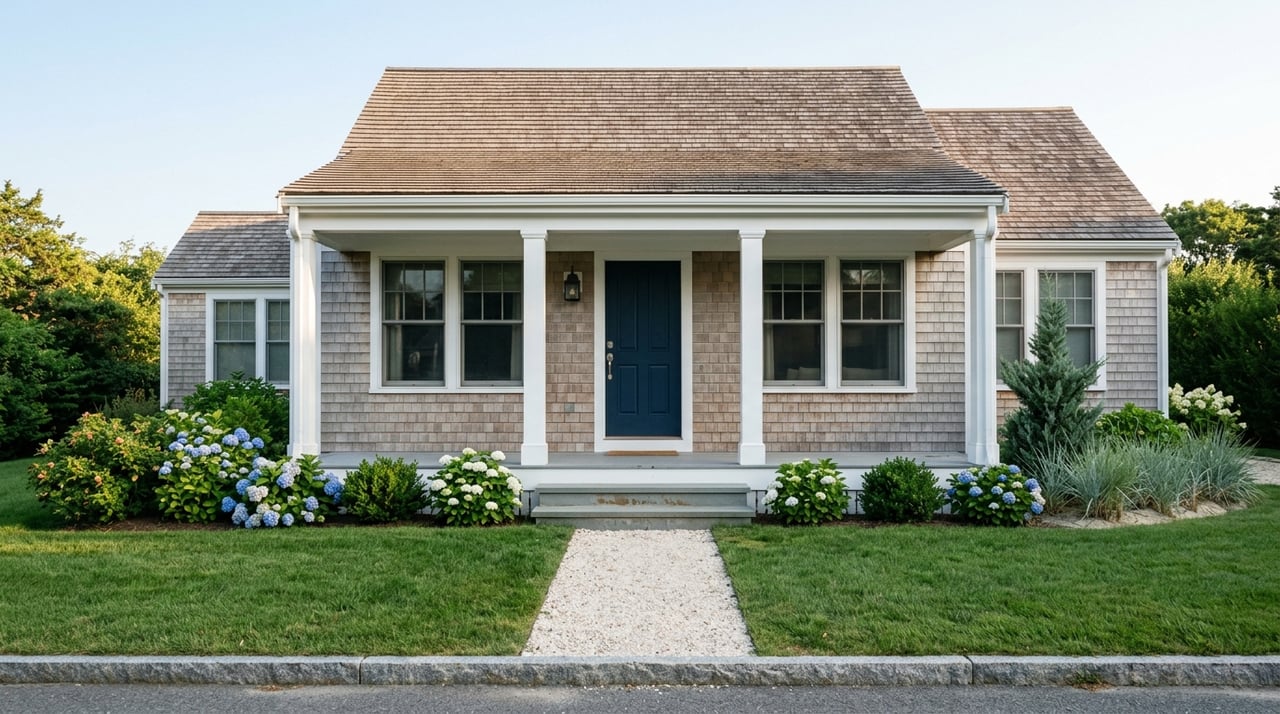
A small single-family cottage often appeals to buyers who want more privacy and direct control. You may have a yard, more separation from neighbors, and more freedom over how the property is used and improved. That can be a meaningful advantage if you still enjoy gardening, outdoor living, or tailoring a home to your needs.
The tradeoff is responsibility. With a cottage, you are typically budgeting and planning for maintenance, repairs, taxes, homeowners insurance, utilities, and general upkeep yourself. There is no association layer to manage those items for you.
In Orleans, wastewater is a major part of the downsizing conversation. The town states that homes and businesses rely almost exclusively on on-site Title 5 septic systems, and that those systems do not remove nitrogen well enough to meet coastal water goals. Orleans also has a wastewater treatment facility, and phase 1 sewering has been completed downtown.
That means a cottage purchase may involve more than just checking the roof and furnace. If the home is on septic, MassDEP says an inspection is needed when buying or selling a property with a septic system or cesspool. If the property is on sewer, Orleans requires engineer review, permits, and abandonment of the existing septic system during the connection process.
For some downsizers, direct responsibility is worth it. A cottage can offer a sense of independence that a condo does not. You are not sharing decisions through an association, and you may have more flexibility in how you maintain and enjoy the property.
Still, that independence comes with a fuller to-do list. If your goal is true lock-and-leave living, a cottage may require more planning, vendor coordination, and seasonal oversight than you want.
Here is a simple way to compare the two options in Orleans:
| Consideration | Condo | Cottage |
|---|---|---|
| Maintenance | Often lower direct maintenance | Owner handles repairs and upkeep |
| Privacy | Shared setting | More private setting |
| Rules | Association documents and bylaws apply | Fewer shared-use rules |
| Costs | Condo fees and possible assessments | Direct repair, utility, tax, and upkeep costs |
| Parking | May be limited by condo rules | Depends on lot and property layout |
| Wastewater | Often simpler to understand upfront, but still property-specific | Septic or sewer details may require more review |
| Travel ease | Often better for lock-and-leave use | Can require more oversight when away |
In Orleans, the better downsizing choice is not always condo versus cottage in the abstract. It is often about how the property fits your real daily routine. A well-located cottage may be easier to live in than a condo farther from the places you use most, and the reverse can also be true.
For many active retirees and second-home buyers, proximity to Main Street, the Senior Center, Snow Library, beaches, and the rail trail can reduce driving and make everyday life simpler. That is especially relevant in a town where parking is closely managed.
Orleans regulates parking on town ways and parking lots, and beach parking at Nauset and Skaket is seasonal and pass-based. Passes and stickers are tied to the vehicle. If you expect frequent beach trips or regular village-center visits, parking logistics should be part of your home search.
A downsizing move tends to go more smoothly when you compare homes through the lens of your next lifestyle, not your last one. These are some of the most useful questions to ask as you narrow your options in Orleans.
If you want lower-maintenance living, easier travel, and a shared approach to property care, a condo may be the better fit. If you want more privacy, outdoor space, and direct control, a cottage may be worth the added responsibility.
In Orleans, the smartest downsizing decisions usually come from looking beyond the home itself. The right choice often depends on where the property sits, how it connects to the village center and local amenities, and whether the parking and wastewater setup support the kind of lifestyle you want.
If you are weighing condo versus cottage options in Orleans, working with a local agent can help you compare not just floor plans, but the real day-to-day implications of each property. Amber Dauphinais can help you evaluate Orleans homes with practical local insight, from condo documents to Cape-specific septic and location considerations.
Stay up to date on the latest real estate trends.
Amber Dauphinais is dedicated to helping you find your dream home and assisting with any selling needs you may have. Contact her today for a free consultation for buying, selling, renting, or investing in Massachusetts.
AMBER DAUPHINAIS
ADDRESS 220 MAIN ST EAST ORLEANS MA 02643