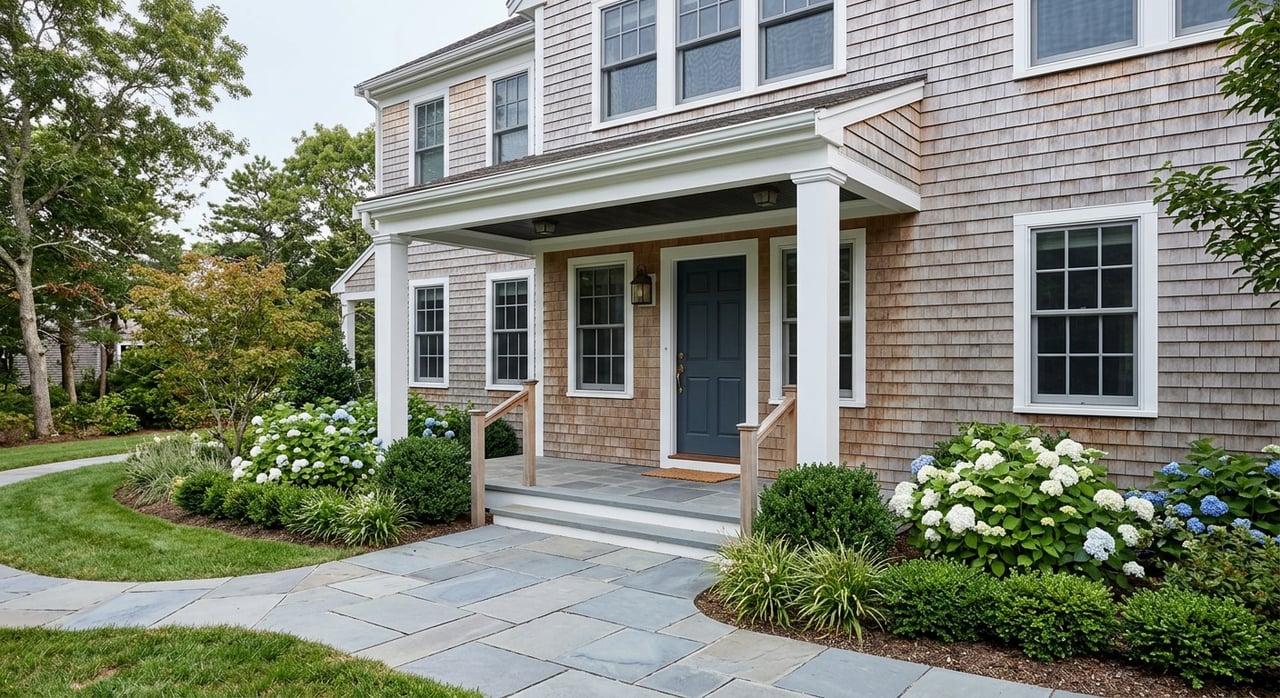
Exploring 55+ And Low-Maintenance Living Options In Orleans
April 23, 2026
April 23, 2026
If you’re thinking about simplifying your next move in Orleans, you’re not alone. In a town where many residents are planning for the years ahead, low-maintenance living has become a practical goal for buyers who want less upkeep without leaving the community they know and love. The good news is that Orleans offers several paths to get there, and understanding the differences can help you choose with confidence. Let’s dive in.
Low-maintenance housing is a real need in Orleans, not just a trend. According to U.S. Census Bureau QuickFacts for Orleans, 49.3% of residents are age 65 or older, owner occupancy is high at 80.9%, and the median value of owner-occupied homes is $957,000.
That helps explain why Orleans’ local housing planning has focused on more varied options. The town’s housing plans and studies show demand for age-restricted housing, smaller one- and two-bedroom homes, townhouses, ADUs, and cottage-style homes. Survey results also found that for many residents, staying in Orleans as they age matters even more than staying in their current home.
In other words, downsizing here is often less about leaving and more about staying in town with a home that fits your life better.
Low-maintenance living does not mean maintenance disappears. It usually means the day-to-day burden shifts, either to a condo association, a more manageable floor plan, or a property setup that is easier to care for.
In Orleans, that often puts buyers on a spectrum. On one end are age-restricted communities. In the middle are standard condos and townhouse-style homes with association-managed upkeep. On the other end are smaller single-family homes or ADUs that may still reduce work while giving you more independence.
The right fit depends on what you want to hand off, what you want to keep control over, and how you picture living in the years ahead.
For some buyers, a 55+ or 62+ community is the clearest path to easier ownership. These homes are designed around age-restricted occupancy rules, which can appeal to buyers looking for a simpler setup and a community structure built around that model.
It is important to know that 55+ status is not just a marketing phrase. Under the Fair Housing Act guidance from HUD, a qualifying 55+ community generally must have at least one resident age 55 or older in at least 80% of occupied units, publish policies that show the age-restricted intent, and use reliable age-verification procedures.
That means if you are considering an age-restricted property, you should confirm exactly how the community is classified and how it handles age verification. This is one of the first questions to ask before you focus on finishes, views, or amenities.
A local Orleans housing study notes that age-restricted housing can help residents live independently with fewer maintenance demands. The same Orleans Community Housing Study highlights this type of housing as part of the town’s broader effort to support residents who want to remain in Orleans.
If you want less upkeep but do not need an age-restricted setting, standard condos and townhouse-style homes may offer the best balance. This is often one of the simplest ways to keep ownership while reducing routine exterior work.
In Massachusetts, condos are governed by legal documents that define ownership and responsibilities. As explained by Massachusetts condominium guidance, those documents typically cover maintenance duties, insurance, meetings, voting, common expenses, reserve funds, and assessments.
For you as a buyer, that means the details matter more than the label. A condo may include landscaping, snow removal, exterior maintenance, or shared amenities, but the exact arrangement depends on the association documents and budget.
Monthly condo fees can be a great tradeoff if they replace work you no longer want to handle yourself. But the number only means something when you know what is included.
Before you buy, look closely at whether the fee covers:
You should also ask whether the association has healthy reserve funds. The state notes that reserves are part of the annual budget, and special assessments may be used when major repairs are needed beyond current funds. A lower monthly fee is not always better if it means a community is underfunded.
Condo living is document-driven. The master deed, deed, and by-laws can affect your use of the property in very practical ways.
Review what the rules say about pets, rentals, guest stays, renovations, and maintenance responsibilities. Massachusetts also advises that condo-related legal questions should be reviewed with an attorney familiar with condominium law, which is wise if you want a clear picture of your obligations before you commit.
Not every buyer wants shared walls or association rules. If you still want privacy and control, a smaller single-family home or an ADU setup may offer a lower-maintenance way to stay in Orleans.
The town’s Accessory Dwelling Unit page defines an ADU as a separate residential unit with its own kitchen and bath. In Orleans, an ADU may be within an existing home, attached to it, or located in a detached structure.
Current Orleans rules limit ADUs to 1,200 square feet. If rented, they require a minimum rental term of 90 days, and properties on septic may require a septic-capacity review.
For some homeowners, that opens the door to a smart long-term plan. You may be able to stay on a property you already own while creating a smaller unit for yourself, a family member, a caregiver, or a long-term rental. That flexibility is one reason Orleans planning documents continue to support ADUs and age-in-place strategies.
If you are waiting for more low-maintenance inventory to hit the market, local development patterns are worth watching. Orleans has been actively working to expand its housing mix, including a 10-year housing plan target of 350 new units and 200 missing-middle units, along with the Downtown Housing Overlay District to encourage year-round infill housing in the downtown core.
Recent town project updates suggest much of the near-term supply is coming in multifamily and townhouse-style formats. Updates note that Phare at 19 West Road is fully occupied, 107 Main Street is substantially complete, the Town Homes at West Road are underway, and the Governor Prence redevelopment is moving toward 78 units.
For buyers, that signals an important point. In Orleans, your best low-maintenance opportunities may be more likely to come from condos, townhomes, and infill-style housing than from a large supply of detached downsizer homes.
A home can look turnkey and still come with hidden maintenance demands. That is why low-maintenance living should always be evaluated at the property level, not just by category.
If you are comparing options in Orleans, ask questions like these:
These questions help you compare homes based on lifestyle and future practicality, not just price per square foot.
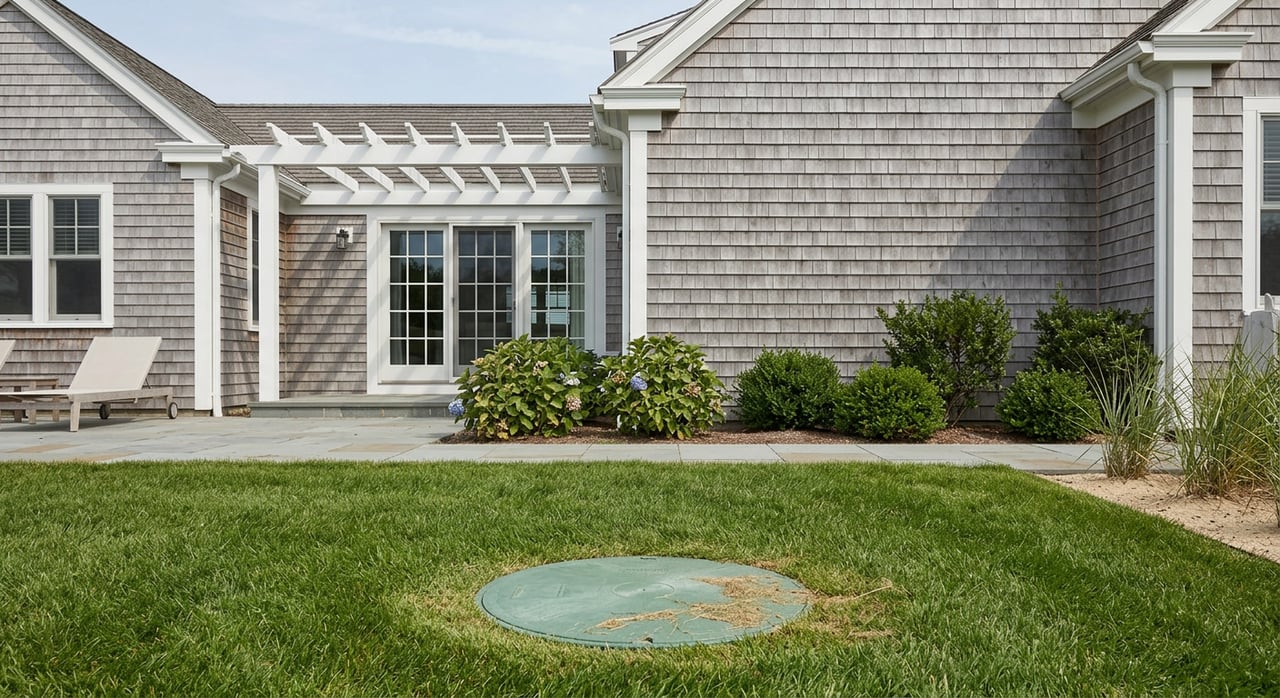
On Cape Cod, utility systems are a major part of the low-maintenance conversation. For smaller single-family homes and some condo communities, septic status can affect both cost and long-term ease of ownership.
According to Massachusetts septic guidance, buyers should request the Title 5 inspection report when purchasing a property with a septic system. If the property uses an innovative or alternative system, you should also ask about maintenance-contract requirements, annual operating costs, energy use, and maintenance history before signing a purchase and sale agreement.
That kind of due diligence is especially important if your goal is simpler ownership. A compact home is not necessarily lower maintenance if the underlying systems are expensive or complex to manage.
Inspections matter in every market, but they are especially valuable when you are buying for ease and predictability. A property that appears move-in ready may still have deferred repairs that change the true cost of ownership.
Massachusetts has strengthened this part of the process. Under the state’s homebuyer inspection-rights policy, for sales after October 15, 2025, sellers and their agents cannot condition a sale on a buyer waiving a home inspection.
That gives buyers more room to verify whether a property is actually as low-maintenance as it seems. It is a helpful layer of protection when you are making a long-term lifestyle decision, not just a short-term purchase.
Affordability is not only about the purchase price or condo fee. In Orleans, local tax programs may also affect the math for eligible buyers.
The town’s property tax exemption information includes a senior exemption for eligible homeowners age 65 and older that is currently worth $1,000 off the tax bill. Orleans also offers a senior tax deferral option for some homeowners.
For buyers comparing a condo to a smaller detached home, these programs are worth discussing as part of the bigger picture. A move that reduces upkeep and supports your budget can create more flexibility over time.
In Orleans, low-maintenance living is not one single product. It is a range of options that includes age-restricted condo communities, standard condos and townhomes, and smaller detached homes or ADU strategies.
The best choice usually comes down to a few practical questions. Who handles the maintenance? How are fees and reserves structured? Does the layout support how you want to live now and later? And does moving make more sense than adapting the home you already have?
If you want help sorting through Orleans options and matching them to your goals, Amber Dauphinais can help you compare properties, understand the local process, and navigate the details that matter on Cape Cod.
Stay up to date on the latest real estate trends.
Amber Dauphinais is dedicated to helping you find your dream home and assisting with any selling needs you may have. Contact her today for a free consultation for buying, selling, renting, or investing in Massachusetts.
AMBER DAUPHINAIS
ADDRESS 220 MAIN ST EAST ORLEANS MA 02643