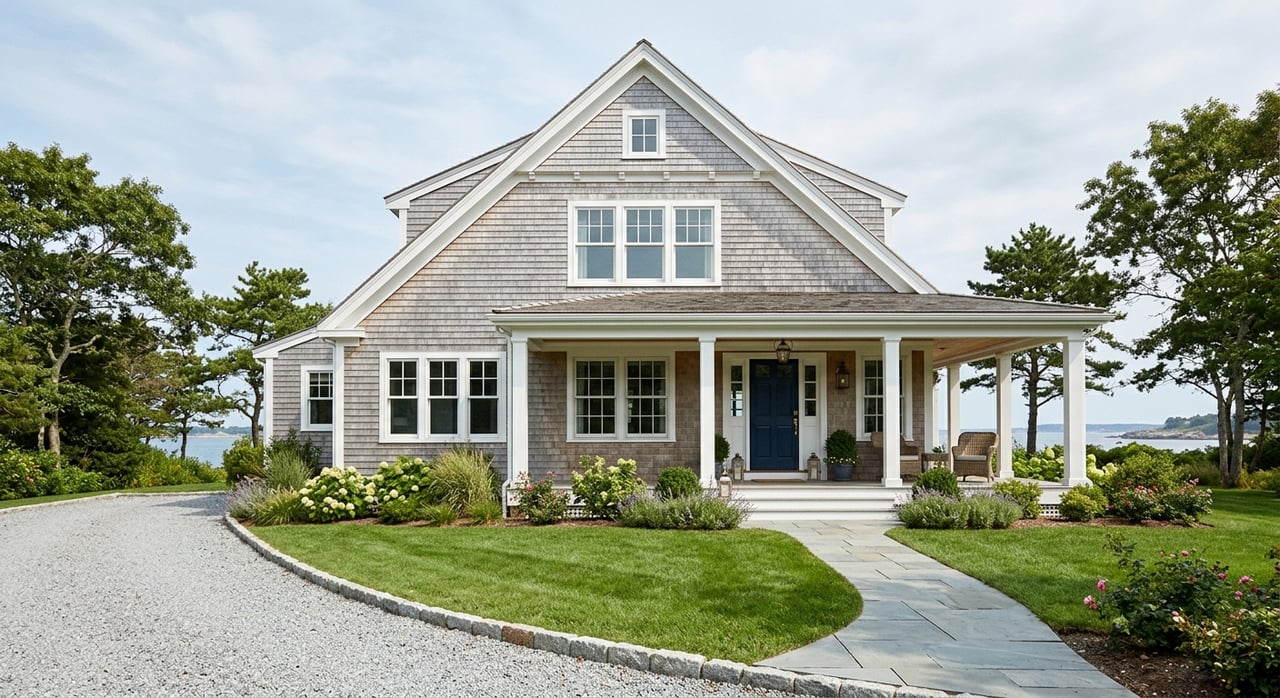
Your Guide to Buying a Second Home in Orleans
April 16, 2026
April 16, 2026
Buying a second home in Orleans can feel exciting and a little intimidating at the same time. You may be balancing lifestyle goals, financing rules, local regulations, and the reality of buying from out of town in a high-value Cape Cod market. The good news is that with the right plan, you can move forward with clarity and avoid common surprises. Let’s dive in.
Before you start touring homes, it helps to know what kind of market you are entering. According to the Massachusetts Association of Realtors Local Market Update for Orleans, the single-family median sales price was $1,172,000 in December 2025 and $1,260,000 year-to-date, with 3.7 months of supply.
That tells you two important things. First, Orleans is a high-price market. Second, inventory is relatively limited, which means well-prepared buyers often have an advantage when the right property comes up.
If you are shopping for a seasonal getaway or future retirement home, speed matters. Preapproval, prompt showings, and a clear decision-making process can help you compete without feeling rushed.
Not every vacation-style property automatically qualifies for second-home financing. Under Fannie Mae second-home occupancy rules, a conforming second home must meet several requirements.
In general, the property must:
This is one reason it helps to define your goals early. If you want a true second home for personal use, your financing path may look different than it would for an investment-focused purchase.
In Orleans, financing is not something to sort out later. In a market with limited supply and seven-figure price points, sellers often respond best to buyers who are already organized.
A strong preapproval does more than set your budget. It helps you understand your monthly costs, confirms your borrowing range, and gives you confidence when it is time to make an offer quickly.
For second-home buyers, it is also smart to discuss occupancy plans with your lender upfront. That way, the home you choose and the loan you pursue stay aligned from the beginning.
A second-home purchase on Cape Cod usually involves more moving parts than a typical purchase elsewhere. Orleans has local building, zoning, environmental, and utility considerations that can affect timelines and next steps.
The Orleans Building Department enforces the Massachusetts State Building Code and local zoning. The town also has overlay districts such as the Floodplain District, Shoreline District, and Groundwater Protection Districts, which means a property’s location can shape what you may need to review before closing or before making future changes.
That is why local coordination matters. Having an agent, lender, inspector, and Cape-savvy service providers lined up early can make the process much smoother, especially if you are buying from out of area.
In Orleans, the property search should include more than square footage, finishes, and curb appeal. You also want to understand how the lot, location, and local rules may affect your plans.
For example, if you are considering future updates like an addition, drainage work, landscaping near sensitive areas, or shoreline improvements, check early whether review may be needed through the Orleans Conservation Department. The town supports filings under the Wetlands Protection Act and the local wetlands bylaw.
This does not mean every property is complicated. It simply means that in a coastal town like Orleans, due diligence should include the site as well as the structure.
Flood risk is one of the biggest examples of why local, property-specific review matters. You should never assume a home is or is not in a flood-prone area based on how close it looks to water.
Instead, use the official FEMA Flood Map Service Center to check flood-hazard information by address. This is especially important in Orleans, where local zoning includes a Floodplain District tied to special flood hazard areas and related building rules.
If a home falls within one of these areas, that may affect insurance, future improvements, or both. Knowing this early can help you make a more informed decision.
Massachusetts buyers now have important statutory protection around home inspections. According to the state’s residential home inspection guidance, before or at the signing of the first written contract, the seller or agent must provide a separate disclosure affirming your right to a home inspection.
The law also says sellers or agents cannot condition acceptance of your offer on waiving that inspection, except in limited cases. For second-home buyers, this matters because it gives you room to evaluate a property carefully rather than feeling pressured to skip a critical step.
A realistic inspection timeline is still important. In a fast-moving market, you want to move quickly, but not blindly.
A standard home inspection is only part of the picture in Orleans. Cape Cod homes may involve systems and site conditions that deserve extra attention.
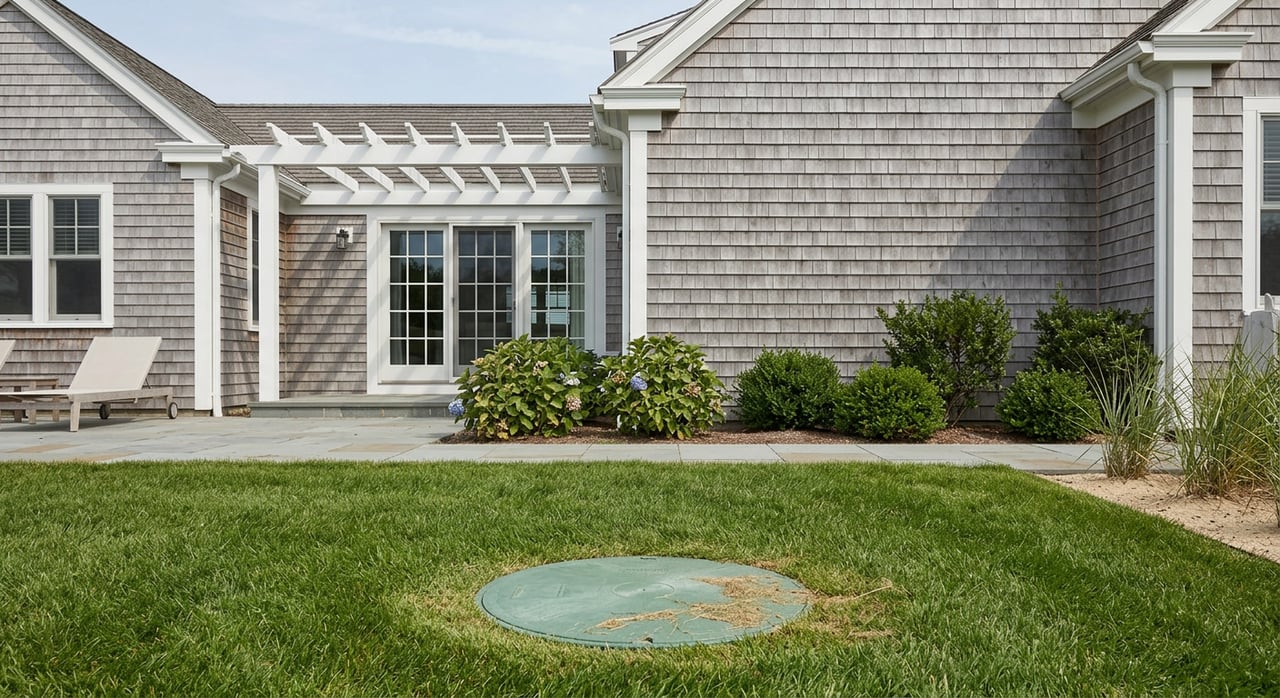
If the property is served by a septic system, Massachusetts Title 5 rules are essential. The state requires septic-system inspections within two years before sale, or up to six months after sale if weather prevents a pre-sale inspection and the seller gives written notice.
These inspections must be performed by MassDEP-approved inspectors. Because inspection timing and results can affect negotiations and planning, septic review should be part of your strategy from the start.
If the property has a private well, water quality should be part of your diligence plan. MassDEP recommends private well testing before purchase, and local Board of Health requirements may also apply.
For an out-of-area buyer, this is easy to overlook. But testing can give you useful information about water quality before you close.
Massachusetts also requires a certificate of compliance for smoke and CO alarms from the local fire department for sale or transfer. This tends to come up closer to closing, but it should not be treated as a last-minute detail.
When this item is tracked early, closing tends to go more smoothly. When it is left too late, it can create avoidable stress.
When you find the right property, confidence comes from preparation. In Orleans, that usually means you are not just offering a price. You are presenting a complete, credible package.
A confident offer often includes:
This kind of preparation helps you act decisively while still protecting your interests. It is the balance most second-home buyers are looking for.
Buying the house is only part of the process. If you will not live in Orleans full time, post-closing setup deserves its own checklist.
The town notes that its water system is supplied by groundwater wells and a membrane filtration plant, and owners can handle water and sewer billing online or by phone. Orleans also offers EyeOnWater through the town’s water system resources, which can help you track usage and receive leak alerts.
That can be especially useful for a second home that sits vacant between visits. A small leak caught early can save you time, money, and a major headache.
If you plan to make repairs or improvements after closing, it helps to understand how the town handles permits. The Orleans Building Department uses OpenGov for permit applications, document uploads, reviewer communication, and fee payments.
The town also notes that inspection requests are handled separately and that building inspections generally must be scheduled at least 24 hours in advance. For second-home owners coordinating work from a distance, that timing matters.
If you plan ahead, project management becomes much easier. If you do not, even simple work can take longer than expected.
Some second-home buyers want the option to rent the property at certain times of year. If that is part of your plan, Orleans has an important local rule to know.
According to the town’s rental registration page, all property rentals other than hotels, motels, and inns must be registered with the town before they can be rented. The town also states that registration is free and does not require an inspection.
Even if you are not planning to rent right away, it is helpful to know this before you buy. Your intended use should always be part of your early planning.
A second-home purchase here is about more than finding a beautiful Cape Cod property. You are also navigating financing rules, inspection protections, septic requirements, floodplain review, possible conservation concerns, utility setup, and maybe rental registration.
That is exactly where local guidance adds value. With the right support, you can move faster, ask better questions, and feel more confident from your first showing through closing and beyond.
If you are thinking about buying a second home in Orleans, working with a local guide can make the process far more manageable. For personalized help with your search, local market insight, and hands-on coordination from offer to closing, connect with Amber Dauphinais.
Stay up to date on the latest real estate trends.
Amber Dauphinais is dedicated to helping you find your dream home and assisting with any selling needs you may have. Contact her today for a free consultation for buying, selling, renting, or investing in Massachusetts.
AMBER DAUPHINAIS
ADDRESS 220 MAIN ST EAST ORLEANS MA 02643